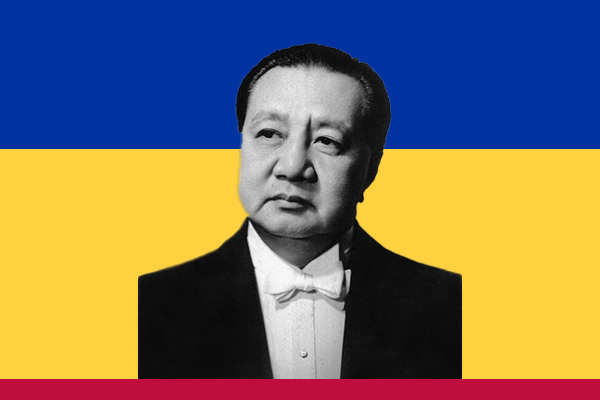
Mr. Elpidio Quirino
In Office: 28 May 1946 – 17 April 1948
Political Party: Liberal Party
Home State: Vigan
Lifespan: 1890–1956
Country: Philippines
Image credits available here.
Early Life and Education
Elpidio Quirino was born on November 16, 1890, in Vigan, Ilocos Sur, Philippines. His parents, Mariano Quirino and Gregoria Rivera, valued education and hard work, qualities that shaped his early years. Quirino studied at Vigan High School and later pursued law at the University of the Philippines. In 1915, he passed the bar examination, marking the beginning of a distinguished career in law and public service.
Entry into Public Service
Quirino began his career as a clerk in the Philippine Commission. His diligence and intelligence earned him recognition among government officials. Soon, he entered politics and won a seat as a representative of Ilocos Sur in the Philippine Legislature. His passion for national development and social welfare guided his legislative work.
Rise in the Political Arena
During his tenure as a legislator, Quirino supported measures to promote education, economic growth, and civil rights. His persuasive leadership and commitment to reform caught the attention of senior leaders. In 1934, he participated in the Constitutional Convention that drafted the 1935 Philippine Constitution. His contributions to the drafting process reflected his belief in democracy and good governance.
Role During the Commonwealth Period
Under President Manuel L. Quezon, Quirino served as Secretary of the Interior. In this position, he implemented programs to improve local governance and strengthen administrative systems. He believed that an efficient bureaucracy was key to national progress. His management skills and political insight helped prepare the Philippines for eventual independence.
Service During World War II
World War II brought immense hardship to the Philippines. Quirino and his family endured great suffering during the Japanese occupation. His wife and three children were killed by Japanese soldiers, but he endured the tragedy with remarkable strength. Despite his personal loss, he continued to advocate for national unity and reconstruction after the war.
Election as Vice President
In 1946, the Philippines gained full independence, and Quirino ran for vice president under the Liberal Party alongside President Manuel Roxas. The team won, and Quirino became the nation’s second vice president. As vice president, he also served as Secretary of Foreign Affairs. He represented the Philippines in international forums and built strong diplomatic relations with other countries. His leadership helped establish the nation’s identity on the global stage.
Contribution as Vice President
Vice President Quirino worked tirelessly to support President Roxas in rebuilding the country after the devastation of war. He encouraged foreign investment and worked to stabilize the economy. He played a vital role in negotiating post-war aid, particularly from the United States, which helped restore industries and infrastructure. His efforts laid the foundation for national recovery and modernization.
Ascension to the Presidency
In April 1948, President Roxas passed away suddenly, and Quirino assumed the presidency as mandated by the constitution. His transition from vice president to president marked a turning point in Philippine history. He continued the reconstruction programs initiated by Roxas while launching his own initiatives in social welfare, housing, and education.
Legacy and Impact
Elpidio Quirino’s tenure as vice president showcased his integrity, perseverance, and dedication to national rebuilding. He faced tremendous challenges but never lost sight of his vision for a strong, self-reliant, and democratic Philippines. His leadership during a critical period of transition demonstrated his ability to unify the nation and restore public confidence in government.
Personal Values and Character
Quirino valued education, discipline, and compassion. He believed that every Filipino deserved equal opportunities for growth. His life story reflects endurance in adversity and faith in the country’s potential. Even after leaving office, he remained active in civic affairs and continued to promote national unity.
Conclusion
Vice President Elpidio Quirino embodied courage and commitment in service to his country. His contributions as vice president were instrumental in guiding the Philippines through post-war recovery and setting the course for a modern nation. His legacy endures as a testament to leadership grounded in vision, compassion, and resilience.