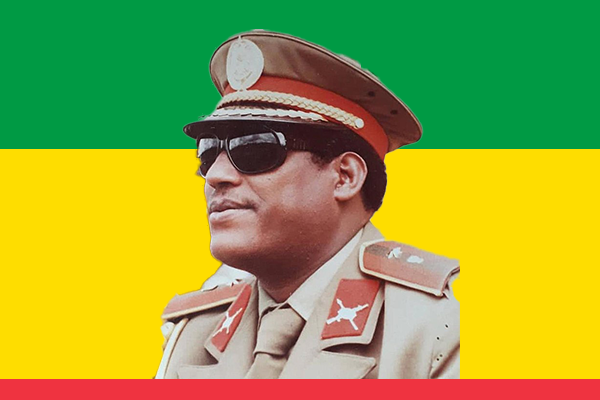
Early Life and Background
Fisseha Desta was born in 1941 in Adwa, a historic town in northern Ethiopia. Growing up in a region known for its patriotic heritage, he developed a strong sense of nationalism and discipline. His early education prepared him for a life of public service, and he soon joined the Ethiopian military, where he began building his leadership credentials.
Military Career and Rise to Power
Fisseha Desta joined the Ethiopian Army in the 1960s. Through hard work, strategic thinking, and loyalty, he rose through the ranks. His military training and leadership ability earned him the respect of his peers. During the turbulent 1970s, Ethiopia underwent political upheaval, and the Derg, a military council, overthrew Emperor Haile Selassie in 1974. Fisseha aligned himself with the new regime and contributed to shaping its policies and administration.
As a skilled officer, he took part in strategic planning and governance during Ethiopia’s transition to a socialist state. His ability to balance military discipline with political responsibilities helped him gain influence within the Derg’s leadership circle.
Appointment as Vice-President
In 1987, when the People’s Democratic Republic of Ethiopia (PDRE) was established, President Mengistu Haile Mariam appointed Fisseha Desta as the country’s first Vice-President. This appointment marked a major milestone in his political career. He became responsible for assisting in national administration, implementing government policies, and representing Ethiopia in diplomatic affairs.
Fisseha worked to strengthen state institutions and promote the socialist agenda of the PDRE. He played a vital role in coordinating between regional administrations and the central government. His leadership helped maintain political stability during a time of internal conflict and economic challenges.
Contributions to Governance and Policy
As Vice-President, Fisseha Desta emphasized unity, discipline, and national development. He participated in drafting policies aimed at improving agriculture, industry, and education. He supported land reform initiatives designed to reduce inequality and empower rural communities.
Fisseha also took part in Ethiopia’s foreign relations, maintaining strong ties with allied nations that shared socialist ideologies. He represented Ethiopia in various international forums, advocating for non-alignment, sovereignty, and regional cooperation.
Despite internal challenges, including conflicts with insurgent movements, Fisseha worked to preserve national unity. His pragmatic approach to leadership earned him respect both within the military and among civilian administrators.
Political Challenges and End of Tenure
By the late 1980s, Ethiopia faced growing civil unrest and economic hardship. Opposition groups gained strength, and dissatisfaction spread across the country. As the Derg regime weakened, internal divisions grew. Fisseha attempted to support reforms that could stabilize the government, but these efforts were overtaken by rapid political changes.
In 1991, the Derg regime collapsed following the advance of the Ethiopian People’s Revolutionary Democratic Front (EPRDF). With the fall of the socialist government, Fisseha’s political career came to an end. He was later tried and imprisoned for his role in the previous regime but eventually released after serving part of his sentence.
Later Life and Legacy
After his release, Fisseha Desta lived a quieter life, reflecting on Ethiopia’s turbulent political past. His experiences as a soldier and statesman provided valuable insights into the country’s transition from monarchy to socialism and then to federal democracy.
Fisseha’s legacy remains complex. Many remember him as a disciplined leader who served his nation with commitment, while others view his role within the Derg critically. Nonetheless, his position as Ethiopia’s first Vice-President established an important precedent in the nation’s political history.
Conclusion
Vice-President Fisseha Desta’s career mirrored Ethiopia’s transformation through conflict, reform, and modernization. From his early military service to his years in high office, he demonstrated loyalty, resilience, and strategic vision. His contributions to governance, policy, and national administration remain a significant part of Ethiopia’s historical narrative.