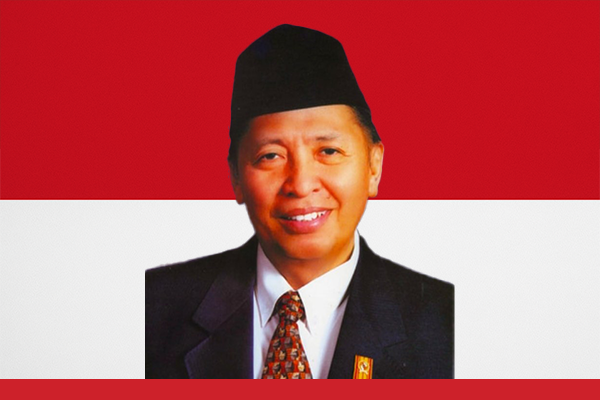
Early Life and Education
Hamzah Haz was born on June 15, 1940, in Sawah Lunto, West Sumatra, Indonesia. He grew up in a family that valued education and community leadership. From a young age, Haz showed interest in religious studies and politics. He pursued higher education at the Islamic University of Jakarta, where he focused on Islamic law and public administration. His education laid the foundation for his future political career.
Early Political Career
Hamzah Haz began his political journey by joining the United Development Party (PPP), a major Islamic political party in Indonesia. He actively campaigned for the party and quickly became known for his persuasive communication skills and dedication to Islamic values in governance. He held various positions within the party, gradually building a reputation as a skilled political strategist.
Leadership in the People’s Consultative Assembly
In the late 1990s, Haz took on a more prominent role by serving as the Speaker of the People’s Consultative Assembly (MPR). In this position, he facilitated discussions on Indonesia’s constitutional reforms and democratic transition following the fall of President Suharto. Haz played a key role in shaping new policies that promoted political stability and encouraged democratic participation.
Vice Presidency (2001–2004)
Hamzah Haz became Indonesia’s 9th Vice-President in 2001, serving under President Abdurrahman Wahid. During his term, he actively participated in national decision-making and advised on key economic and social policies. Haz emphasized the importance of balancing development with Islamic principles, advocating for initiatives that benefited both urban and rural communities.
Political Challenges and Achievements
As Vice-President, Haz faced political challenges, including internal party disagreements and national economic pressures. Despite these obstacles, he worked to strengthen Indonesia’s political institutions and improve public trust in government. He supported policies aimed at poverty reduction, education reform, and community empowerment. Haz also promoted Indonesia’s Islamic cultural heritage in policymaking, highlighting the role of religion in social development.
Role in National Reconciliation
Hamzah Haz actively engaged in efforts to promote national unity and reconciliation. He mediated between conflicting political groups and encouraged dialogue across religious and ethnic lines. Haz’s approach emphasized consensus-building and mutual respect, helping Indonesia navigate complex political transitions.
Later Political Career
After serving as Vice-President, Haz remained influential in Indonesian politics. He continued leading the United Development Party and participated in legislative activities. He also engaged in public speaking, sharing insights on governance, Islamic values, and national development. His experience and leadership inspired younger generations of politicians and community leaders.
Influence on Indonesian Politics
Hamzah Haz significantly influenced Indonesia’s political landscape by promoting Islamic values within modern governance. He demonstrated that religious principles and democratic ideals could coexist in policymaking. Haz’s leadership emphasized dialogue, inclusivity, and social responsibility, leaving a lasting impact on both his party and the broader political system.
Legacy
Hamzah Haz’s legacy reflects his commitment to public service, Islamic political thought, and national development. Through his roles in the PPP, the People’s Consultative Assembly, and as Vice-President, he helped guide Indonesia toward democratic reforms while maintaining cultural and religious integrity. His career serves as a model for future leaders who seek to balance faith, politics, and social progress.