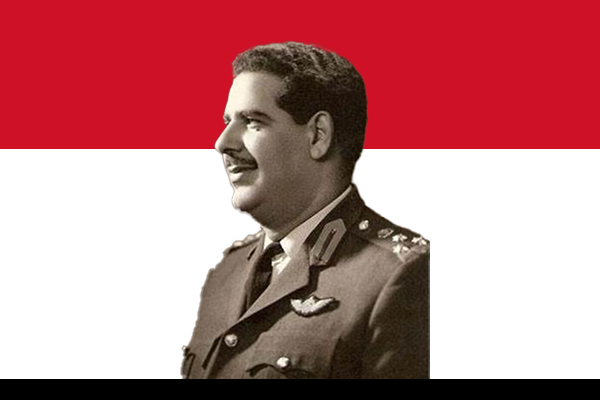
Early Life and Background
Hardan al-Tikriti was born in 1925 in Tikrit, Iraq, a city known for producing many of the country’s influential political leaders. Coming from a military family, al-Tikriti developed an early interest in national affairs and the dynamics of governance. He pursued a military education, which later became a foundation for his political and governmental career. His upbringing in Tikrit, coupled with his exposure to Iraq’s military institutions, shaped his leadership style and strategic thinking.
Military Career
Al-Tikriti began his career in the Iraqi military, quickly rising through the ranks due to his disciplined approach and strategic insight. His military service provided him with a deep understanding of Iraq’s defense and security issues, knowledge that later informed his political decisions. He became known among his peers for his organizational skills and ability to coordinate complex operations, traits that earned him recognition from senior political leaders.
Entry into Politics
Transitioning from military service to politics, Hardan al-Tikriti aligned himself with the Ba’ath Party, which emphasized Arab nationalism and modernization. He quickly became a trusted figure within the party, participating in key policy-making decisions. His ability to combine military discipline with political strategy allowed him to navigate Iraq’s complex political environment successfully.
Role as Vice President
Hardan al-Tikriti served as Vice President of Iraq during a critical period marked by internal reforms and regional tensions. In this role, he acted as a close advisor to the President, contributing to decisions on economic, political, and defense policies. He was particularly involved in initiatives to strengthen Iraq’s governmental institutions and improve administrative efficiency. Al-Tikriti’s leadership style emphasized pragmatism and loyalty to the state, earning him respect across the political spectrum.
During his tenure, he focused on maintaining stability within Iraq, particularly in regions experiencing political unrest. His strategic decisions often reflected a balance between military considerations and political necessity, showing his capacity to address complex challenges effectively. Al-Tikriti also played a diplomatic role, representing Iraq in various international discussions and advocating for the country’s national interests abroad.
Legacy and Influence
Vice President Hardan al-Tikriti left a significant imprint on Iraq’s political history. His military background, combined with his political acumen, allowed him to bridge the gap between defense priorities and governance. He inspired many younger politicians and military officers to pursue public service with discipline and dedication.
Despite the controversies and political turbulence of his era, al-Tikriti remained committed to the principles of state-building and national unity. His contributions to Iraq’s political structure, particularly in the areas of administrative reform and defense strategy, continue to be recognized by historians and political analysts.
Conclusion
Hardan al-Tikriti exemplified a rare combination of military expertise and political skill. From his early life in Tikrit to his tenure as Vice President, he consistently demonstrated leadership, strategic thinking, and a dedication to Iraq’s national interests. His career highlights the importance of experienced leadership in navigating complex political landscapes and leaves a lasting legacy in Iraq’s modern history.