Early Life and Education
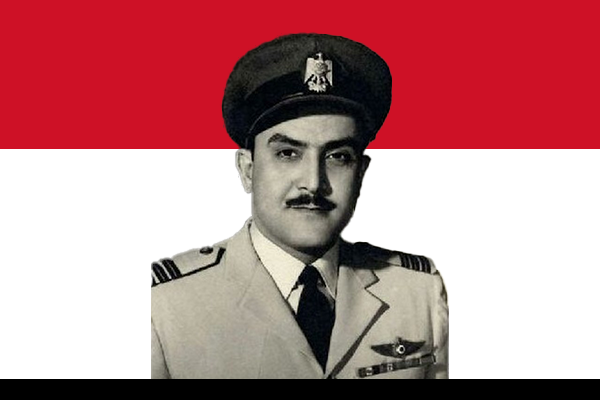
Hassan Ibrahim was born in Egypt, where he grew up in a family that valued discipline and national service. He pursued his education with dedication and displayed leadership skills from an early age. His academic journey and military training prepared him for the important roles he would later assume in Egypt’s political arena.
Military Career
Hassan Ibrahim built his career in the Egyptian military, where he demonstrated both loyalty and strategic thinking. He served in the Air Force and rose through the ranks because of his commitment and discipline. His military background gave him not only leadership experience but also a reputation for integrity and strength. Ibrahim actively contributed to Egypt’s defense and earned the respect of his peers.
Role in the Free Officers Movement
Hassan Ibrahim played a decisive role in the Free Officers Movement, which aimed to overthrow King Farouk and end the monarchy in Egypt. He joined fellow officers, including Gamal Abdel Nasser and Anwar Sadat, in the revolution of 1952. Ibrahim actively supported the movement by coordinating strategies and ensuring its success. His role highlighted his courage and deep belief in Egypt’s independence.
Rise to Political Leadership
After the success of the 1952 Revolution, Hassan Ibrahim stepped into political leadership. He became one of the trusted members of the Revolutionary Command Council, which guided Egypt’s transition to a republic. He used his position to promote reforms that emphasized social justice, economic growth, and national sovereignty. His military and political experience allowed him to balance authority with diplomacy.
Vice Presidency of Egypt
In recognition of his dedication, Hassan Ibrahim was appointed Vice President of Egypt. He worked closely with President Gamal Abdel Nasser to implement policies that transformed the nation. Ibrahim actively participated in shaping Egypt’s economic and social reforms, focusing on modernization and equality. As Vice President, he maintained a reputation for discipline and fairness, which strengthened the administration’s credibility.
Contributions to Egypt’s Progress
Hassan Ibrahim contributed significantly to Egypt’s development during his tenure. He supported industrial growth, agricultural reforms, and initiatives that reduced inequality. He also promoted education and worked to expand opportunities for young Egyptians. His leadership ensured that Egypt pursued independence from foreign influence while strengthening its regional role. Ibrahim’s influence extended beyond politics, as he motivated citizens to believe in national unity and progress.
Legacy and Influence
Hassan Ibrahim left behind a legacy of patriotism, service, and leadership. His role in the Free Officers Movement and his service as Vice President made him a key figure in Egypt’s modern history. Many remember him as a leader who combined military strength with political vision. His contributions to Egypt’s independence and modernization remain an inspiration for future generations.
Conclusion
Hassan Ibrahim’s journey from a military officer to Vice President of Egypt reflects his unwavering dedication to his country. He actively shaped Egypt’s political and social landscape through his leadership in the Free Officers Movement and his role in government. His legacy continues to symbolize determination, integrity, and a deep commitment to national progress.