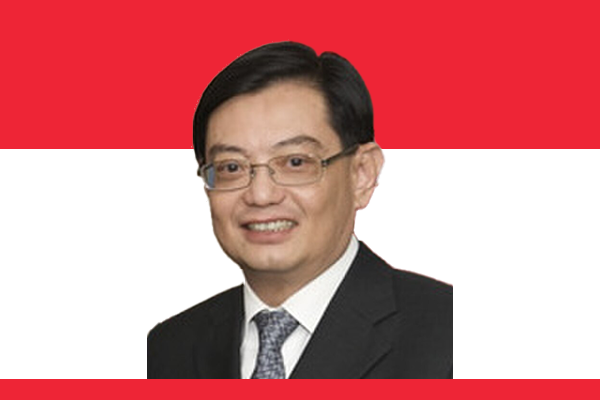
Early Life and Education
Heng Swee Keat was born on December 25, 1961, in Singapore. From a young age, he showed academic excellence and a keen interest in public affairs. He pursued higher education at the University of Cambridge, where he studied economics. Later, he earned a master’s degree in public administration from Harvard University. These academic experiences equipped him with strong analytical skills and a global perspective, which later became valuable in his political career.
Entry into Public Service
Before entering politics, Heng built a solid reputation as a civil servant. He held key positions in the Singapore government, including serving as Principal Private Secretary to then Prime Minister Lee Hsien Loong. This role gave him first-hand experience in policy formulation and national leadership. He also served as Managing Director of the Monetary Authority of Singapore, where he contributed to maintaining financial stability and strengthening Singapore’s position as a global financial hub.
Political Career and Ministerial Roles
Heng Swee Keat entered electoral politics in 2011 and quickly rose through the ranks. He served as Minister for Education, where he focused on improving the education system by promoting lifelong learning and adapting curricula to future economic needs. His leadership emphasized skills development and preparing Singaporeans for a rapidly changing world.
In 2015, Heng was appointed Minister for Finance. This role marked a turning point in his political career. As Finance Minister, he introduced budgets that addressed economic restructuring, social support, and long-term sustainability. He played a crucial role in managing Singapore’s finances during challenging periods, including global economic uncertainties and domestic transitions.
Role as Deputy Prime Minister
Heng Swee Keat became Deputy Prime Minister in 2019, reflecting the trust placed in him by the government and the public. In this position, he has been deeply involved in coordinating economic strategies and ensuring policy coherence across ministries. He has also contributed to Singapore’s response to major challenges, including economic slowdowns and public health crises.
As Deputy Prime Minister, Heng is known for advocating forward-looking policies. He emphasizes innovation, digital transformation, and inclusive growth. His leadership style is often described as thoughtful and pragmatic, focusing on long-term outcomes rather than short-term gains.
Leadership Style and Vision
Heng Swee Keat is widely respected for his analytical approach and ability to communicate complex issues in a clear and relatable manner. He believes in careful planning, evidence-based decision-making, and engaging citizens in national conversations. His vision for Singapore centers on building a resilient economy, strengthening social cohesion, and ensuring opportunities for future generations.
Conclusion
Deputy Prime Minister Heng Swee Keat stands out as a key figure in Singapore’s modern political landscape. With a strong background in economics, public administration, and governance, he has played a significant role in guiding the nation through both stability and change. His contributions as a civil servant, minister, and deputy prime minister highlight his enduring commitment to Singapore’s progress and prosperity.