Early Life and Education
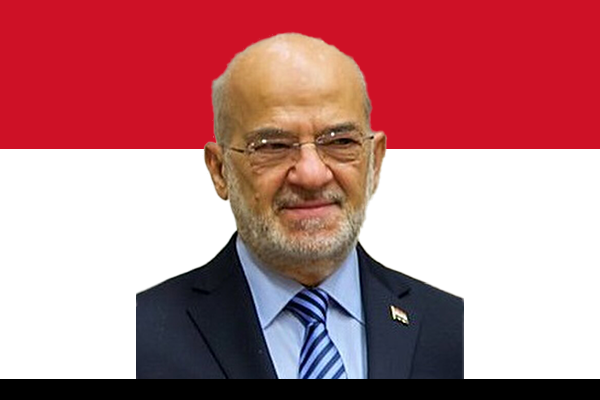
Ibrahim al-Jaʿfari was born in 1947 in Karbala, a city of deep religious and cultural importance in Iraq. He trained as a medical doctor, specializing in neurology, before turning fully toward political and intellectual life. His medical education shaped his analytical approach and calm demeanor, traits that later became associated with his political style. During the years of authoritarian rule in Iraq, he spent a long period in exile, where he developed his political philosophy and organizational experience.
Political Thought and Party Leadership
Al-Jaʿfari became one of the prominent leaders of the Islamic Dawa Party, a movement that combined religious values with political activism. He emphasized moderation, dialogue, and coexistence among Iraq’s diverse communities. Unlike more confrontational figures, al-Jaʿfari often advocated gradual reform and institutional stability. His writings and speeches highlighted ethical governance, social justice, and national reconciliation, ideas that later influenced his approach to governance.
Role as Prime Minister
Following the 2003 change in Iraq’s political system, al-Jaʿfari emerged as a key transitional leader. He served as Prime Minister from 2005 to 2006, a time marked by insecurity, political fragmentation, and the challenge of drafting a new constitutional order. During his tenure, he worked to establish democratic institutions and strengthen Iraq’s sovereignty. Although his government faced criticism due to security conditions and political disputes, he remained committed to the idea of a unified Iraqi state.
Service as Foreign Minister
Years later, al-Jaʿfari returned to the center of national politics as Iraq’s Foreign Minister. In this role, he focused on restoring Iraq’s regional and international relationships. He promoted a balanced foreign policy that sought cooperation rather than confrontation. His diplomatic efforts emphasized Iraq’s independence, the fight against extremism, and constructive engagement with neighboring states and global partners.
Vice Presidency and National Role
Al-Jaʿfari’s appointment as Vice President reflected recognition of his long experience and symbolic importance in Iraqi politics. As Vice President, he played an advisory and representational role, supporting constitutional processes and national dialogue. He used the position to encourage unity among political factions and to reinforce the legitimacy of state institutions. Though largely ceremonial in nature, the office allowed him to continue influencing public discourse and mentoring younger political leaders.
Legacy and Significance
Ibrahim al-Jaʿfari’s legacy lies in continuity and moderation. Across decades of upheaval, he remained a consistent advocate for dialogue, legality, and national cohesion. While opinions differ on the effectiveness of his leadership during Iraq’s most difficult years, his contribution to shaping post-2003 political life is undeniable. As Vice President, and in his earlier roles, al-Jaʿfari represented a bridge between Iraq’s past struggles and its aspirations for stability and democratic governance.