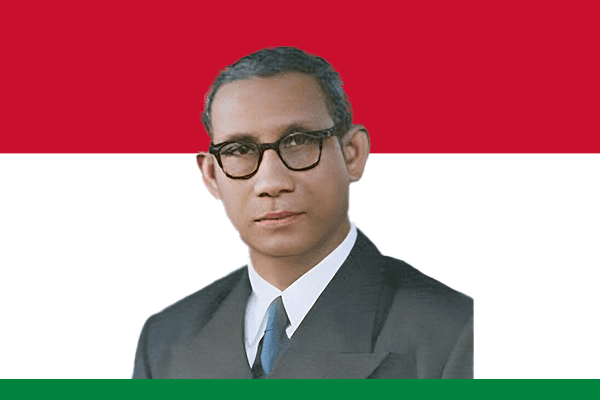
Vice President Ibrahim Muhammad
Ibrahim Muhammad Solih (commonly referred to in political context as Ibrahim Muhammad in some requests, though this can be ambiguous) is a notable public figure in the Maldives, where leadership plays a central role in shaping national governance, economic planning, and social development. As a senior political leader, the vice president’s office carries significant responsibility in assisting the president, coordinating government priorities, and ensuring continuity in state administration. The position is not merely ceremonial; it often involves active engagement in policy execution, representation at official events, and support in maintaining political stability.
Vice presidents in the Maldives have historically contributed to the country’s democratic growth, especially during periods of institutional reform and modernization. Ibrahim Muhammad’s political identity reflects the values of public accountability, national service, and commitment to strengthening government systems. In a nation made up of widely dispersed islands, leadership requires both administrative skill and an understanding of the people’s everyday concerns, such as transportation, education, healthcare, climate vulnerability, and employment opportunities. A vice president must therefore remain closely involved in both high-level governance and public welfare initiatives.
Ibrahim Muhammad’s role as vice president places him in a position of trust within the executive branch. He supports the president in implementing state policies and often acts as a bridge between ministries, regional administrations, and the public. His work may include reviewing development programs, participating in international diplomacy, and encouraging reforms that improve transparency and efficiency. In modern governance, the vice president also helps strengthen democratic institutions by promoting coordination and responsible leadership across the government.
As a public servant, Ibrahim Muhammad represents the aspirations of citizens who seek stable leadership, economic progress, and better living standards. His contributions can be understood within the broader context of the Maldives’ political evolution, where leaders are expected to balance tourism-driven economic growth with environmental protection and social inclusion. The country faces unique challenges due to rising sea levels and dependence on global tourism, making executive leadership especially important. In such a setting, the vice president becomes a crucial partner in national resilience and long-term planning.
Another important aspect of Ibrahim Muhammad’s leadership is public engagement. Strong leaders in the Maldives often gain respect by maintaining communication with communities across different islands. By listening to public concerns and supporting local development, a vice president can help ensure that government policies respond to real needs. This active, people-centered style of governance builds public confidence and encourages democratic participation.
In conclusion, Vice President Ibrahim Muhammad stands as a symbol of executive responsibility, public service, and national support within the Maldivian political system. His role strengthens the functioning of government and contributes to the country’s administrative continuity. Through active leadership, policy support, and public representation, he helps advance the goals of stability, development, and good governance in the Maldives.