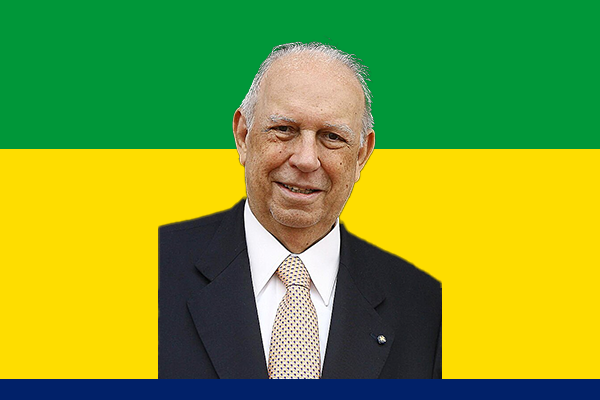
Early Life and Business Success
José Alencar Gomes da Silva was born on October 17, 1931, in Muriaé, Minas Gerais, Brazil. Coming from a humble background, he worked hard to support his family from a young age. Alencar developed strong business instincts and entrepreneurial skills early in life. He entered the textile industry, where he built a successful enterprise known as Coteminas, one of Brazil’s largest textile companies. Through innovation and perseverance, he transformed Coteminas into a global player, creating jobs and contributing to Brazil’s economic development.
Entry into Politics
Motivated by a desire to improve the lives of ordinary Brazilians, Alencar entered politics in the late 20th century. He joined the Liberal Party and ran for various offices, always emphasizing honesty, efficiency, and economic responsibility. His practical experience as a businessman helped him connect with citizens who wanted pragmatic solutions to national challenges. He believed that strong economic policies could empower workers and businesses alike.
Partnership with President Lula da Silva
In 2002, Alencar became the running mate of Luiz Inácio Lula da Silva, the candidate of the Workers’ Party. Together, they built a coalition that united diverse political and social groups. When they won the election, Alencar became Vice President of Brazil in 2003. Despite their different backgrounds—Lula from the labor movement and Alencar from business—they shared a common vision of social progress and economic stability.
As Vice President, Alencar played an active role in balancing Brazil’s economic policies. He advocated for lower interest rates and supported initiatives that promoted industrial growth. He often voiced his opinions openly, even when they differed from the government’s economic team. His independence and integrity earned him respect across the political spectrum.
Leadership Style and Economic Views
Alencar believed that Brazil could only prosper if it encouraged entrepreneurship and reduced bureaucratic barriers. He often met with business leaders, economists, and labor representatives to discuss ways to strengthen the economy. His leadership reflected both confidence and compassion, combining a businessman’s discipline with a patriot’s heart.
He criticized high taxation and excessive public spending, arguing that these hindered growth. Yet, he fully supported social welfare programs that aimed to reduce inequality. His balanced approach helped bridge the gap between economic liberalism and social justice, making him a unifying figure in Brazilian politics.
Courage in the Face of Illness
Throughout his years in office, Alencar faced serious health challenges. Diagnosed with cancer, he underwent multiple surgeries and treatments but refused to withdraw from public service. He continued working tirelessly, attending meetings and official functions even while in pain. His courage and optimism inspired millions of Brazilians.
He openly discussed his illness, showing strength and humility. By confronting his struggles publicly, he encouraged others to face adversity with determination. His resilience became a symbol of national pride and personal dignity.
Legacy and Final Years
José Alencar completed his term as Vice President in 2010 after serving two consecutive mandates. Even after leaving office, he remained active in business and public life, always promoting integrity and accountability. He passed away on March 29, 2011, leaving behind a legacy of hard work, faith, and patriotism.
Brazil remembers Alencar as a leader who never compromised his principles. He demonstrated that it was possible to combine business success with social responsibility and political honesty. His life continues to inspire future generations of Brazilians to lead with courage and compassion.
Conclusion
Vice President José Alencar transformed Brazil’s political and economic scene with his steadfast integrity and tireless dedication. From his humble beginnings to the highest levels of government, he showed that leadership rooted in honesty and perseverance can unite a nation. His story remains a testament to the power of courage, work ethic, and moral conviction in shaping a better future for all.