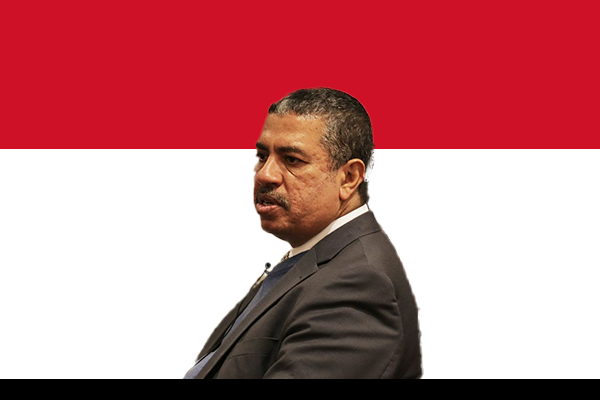
Early Life and Education
Khaled Mahfoudh Bahah was born in Yemen and pursued higher education in economics and management. His academic background helped shape his pragmatic and professional approach to governance. Before entering high-level politics, he gained experience in economic planning and public administration, which later influenced his policy-focused leadership style. Bahah’s early career reflected a strong interest in development, institutional reform, and economic stability.
Entry into Politics and Public Service
Bahah began his political career in the post-unification period of Yemen, serving in various governmental and advisory roles. He earned a reputation as a technocrat rather than a traditional political figure, which made him acceptable to diverse political groups. His ability to communicate with international institutions and regional partners strengthened his standing within Yemen’s political establishment.
Over time, Bahah became involved in national economic planning and state administration, gaining insight into Yemen’s structural challenges, including poverty, weak institutions, and political fragmentation.
Role as Prime Minister
Khaled Mahfoudh Bahah was appointed Prime Minister of Yemen during a highly unstable phase marked by political transition and rising conflict. As Prime Minister, he focused on restoring state institutions, stabilizing the economy, and managing relations with international stakeholders. His government faced enormous obstacles, including security threats, administrative paralysis, and power struggles among rival factions.
Despite limited authority, Bahah attempted to promote inclusive governance and reduce political polarization. His leadership style emphasized dialogue, institutional continuity, and national unity, although circumstances often restricted effective implementation.
Tenure as Vice President
Bahah later assumed the position of Vice President, serving under President Abdrabbuh Mansur Hadi. His appointment aimed to strengthen the executive branch and present a balanced leadership image during Yemen’s civil conflict. As Vice President, Bahah continued to advocate for political reconciliation and state legitimacy.
However, tensions within the leadership and differing visions for governance led to his eventual removal. His exit highlighted the fragile nature of Yemen’s transitional political arrangements and the difficulty of maintaining unity amid war and external pressures.
Leadership Style and Political Approach
Khaled Mahfoudh Bahah is widely regarded as a moderate and pragmatic leader. He avoided inflammatory rhetoric and focused on administrative competence rather than populist politics. Supporters viewed him as a stabilizing figure capable of bridging divides, while critics argued that his cautious approach limited his political effectiveness in a highly volatile environment.
His leadership reflected a belief in institutions, economic reform, and gradual political progress, even under adverse conditions.
Legacy and Significance
Bahah’s political career represents the struggles of technocratic leadership in conflict-ridden states. While his time as Vice President and Prime Minister did not produce lasting stability, it underscored the importance of professional governance and dialogue in Yemen’s political future. Khaled Mahfoudh Bahah remains a symbol of moderation and institutional integrity during one of the most challenging periods in Yemen’s modern history.
Conclusion
Khaled Mahfoudh Bahah’s role as Vice President of Yemen highlights both the potential and constraints of leadership during national crisis. His career reflects a commitment to stability, economic management, and political balance, making him a significant figure in Yemen’s contemporary political narrative.