Mr. Mahathir Mohamad
In Office: 5 March 1976 – 16 July 1981
Political Party: Barisan Nasional
Home State: Alor Setar
Lifespan: born -1925
Country: Malaysia
Image credits available here.
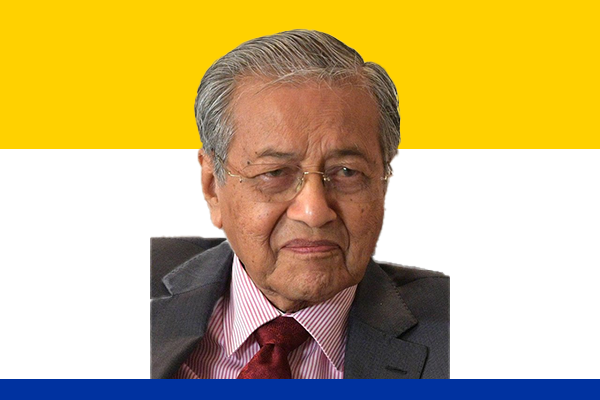
Appointment as Deputy Prime Minister
Mahathir Mohamad became Deputy Prime Minister in March 1976 after Tun Hussein Onn assumed the office of Prime Minister. At the time, Malaysia faced challenges related to economic development, ethnic balance, and political stability. Hussein Onn selected Mahathir for his intellectual strength, firm views on nationalism, and commitment to development-oriented policies. The appointment also marked Mahathir’s full return to top-level politics after earlier disagreements with party leadership.
Key Responsibilities and Roles
As Deputy Prime Minister, Mahathir held significant responsibilities within the Malaysian government. He played a central role in policy coordination, cabinet decision-making, and parliamentary affairs. Mahathir also held the portfolio of Minister of Education, where he focused on strengthening the national education system. He emphasized science, technology, and discipline in education, believing these areas were essential for Malaysia’s modernization and global competitiveness.
Economic and Development Vision
During his tenure as Deputy Prime Minister, Mahathir strongly advocated for industrial growth and self-reliance. He supported policies aimed at reducing dependence on primary commodities and encouraged the development of manufacturing and heavy industries. His ideas during this period laid the foundation for Malaysia’s later industrialization drive. Mahathir consistently argued that developing nations must adopt bold strategies rather than relying solely on traditional economic models.
Leadership Style and Political Influence
Mahathir’s leadership style as Deputy Prime Minister was direct, assertive, and intellectually driven. He was known for speaking frankly on national issues and challenging conventional thinking. This approach earned him both strong supporters and critics. Within the United Malays National Organisation (UMNO), Mahathir gradually strengthened his position by building alliances and gaining public recognition as a decisive leader with a clear vision for Malaysia’s future.
Relationship with Prime Minister Hussein Onn
The working relationship between Mahathir Mohamad and Hussein Onn was generally professional and complementary. Hussein Onn was known for his integrity and calm leadership, while Mahathir brought energy, ambition, and strategic thinking to the administration. Together, they ensured political stability during a transitional period in Malaysian politics. Hussein Onn’s trust in Mahathir ultimately paved the way for a smooth leadership succession.
Path to the Premiership
Mahathir’s performance as Deputy Prime Minister significantly enhanced his credibility as a national leader. When Hussein Onn resigned due to health reasons in 1981, Mahathir was the natural successor. His years as Deputy Prime Minister had equipped him with administrative experience, policy insight, and public support. These factors enabled him to assume the role of Prime Minister with confidence and authority.
Legacy as Deputy Prime Minister
Although Mahathir’s later achievements as Prime Minister often overshadow his earlier role, his tenure as Deputy Prime Minister was crucial in shaping modern Malaysia’s political and economic direction. It was during this period that he refined his ideas on development, governance, and national identity. His time as Deputy Prime Minister stands as a formative chapter in a political career that would profoundly influence Malaysia for decades.