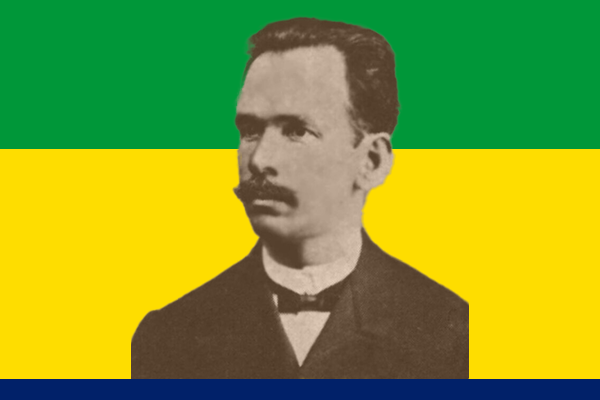
Early Life and Education
Manuel Vitorino Pereira was born on January 30, 1850, in Salvador, Bahia, Brazil. He grew up in a time of political change and intellectual awakening. Vitorino studied medicine at the Faculty of Medicine of Bahia, where he excelled as a student and demonstrated strong critical thinking skills. After earning his medical degree, he began practicing medicine and became known for his dedication to public health and social progress. His education shaped his analytical mind and prepared him for a career that would combine science, politics, and reform.
Entry into Politics
Vitorino actively engaged in politics during Brazil’s transition from the monarchy to the republic. He joined the Republican movement and supported the establishment of a democratic system. His speeches and writings reflected his belief in progress, freedom, and modernization. He gained popularity as a reform-minded politician who valued education and civil rights.
When he was elected as a deputy in the Provincial Assembly of Bahia, Vitorino worked tirelessly to promote public education and healthcare improvements. He understood that Brazil’s future depended on a well-informed population and efficient institutions. His dedication to reform helped him earn national recognition and the trust of political leaders.
Vice Presidency and Acting Presidency
In 1894, Manuel Vitorino became the Vice President of Brazil under President Prudente de Morais. When President Morais fell ill in 1896, Vitorino assumed the duties of the presidency temporarily. As Acting President, he displayed energy, discipline, and vision. He took direct control of governmental decisions and worked to strengthen democratic governance.
Vitorino focused on rebuilding stability after years of political tension. He emphasized the need for civil authority and worked to reduce military influence in government affairs. His administration supported modernization projects and administrative reforms to improve public services. Vitorino also encouraged open political debate, believing that dialogue was essential for a healthy democracy.
Commitment to Education and Public Welfare
Manuel Vitorino valued education as the foundation of national progress. During his public life, he actively promoted the expansion of schools and improvement of teaching standards. He supported the idea that education should be accessible to all citizens regardless of class or region.
Beyond education, Vitorino advocated for social reforms aimed at improving public health and welfare. As a physician, he understood the connection between health and productivity. He encouraged medical innovation and supported sanitary measures to control diseases in urban areas. His policies reflected his belief that a strong nation depended on the well-being of its people.
Intellectual Contributions and Legacy
Vitorino was not only a statesman but also a respected intellectual. He wrote extensively on political, social, and philosophical topics. His writings revealed his deep understanding of democracy, ethics, and progress. He argued that Brazil needed to combine scientific knowledge with moral leadership to achieve lasting success.
After leaving office, he continued to influence public thought through his writings and lectures. His career embodied integrity, discipline, and intellectual courage. He inspired many younger leaders to pursue public service with honesty and commitment.
Manuel Vitorino died on November 9, 1902, leaving behind a legacy of reform and enlightenment. His leadership demonstrated how intellect and integrity can guide a nation toward modernization and stability.
Conclusion
Vice President Manuel Vitorino played a crucial role in shaping Brazil’s early republican era. He actively worked to promote education, public welfare, and democratic values. His presidency, though temporary, showed his ability to lead with wisdom and principle. His lifelong dedication to learning and reform continues to inspire Brazilians who believe in progress through knowledge and integrity.