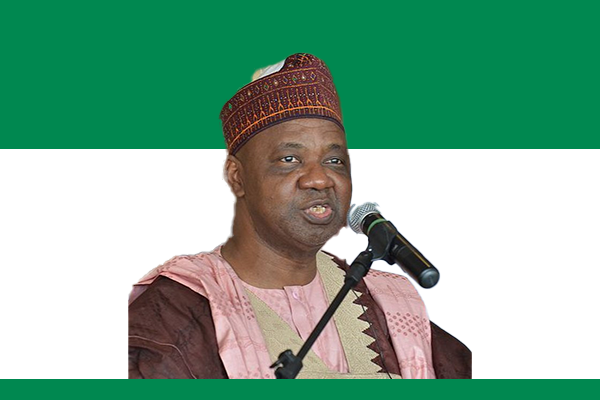
Early Life and Education
Namadi Sambo was born on August 2, 1954, in Zaria, Kaduna State, Nigeria. He actively pursued education from a young age, attending Zaria’s primary and secondary schools before enrolling at Ahmadu Bello University, where he earned a degree in Architecture. Sambo’s educational background provided him with a strong foundation in analytical thinking, planning, and strategic management, which he later applied in public service and governance.
Political Career and Rise to Prominence
Sambo began his political career in the public service sector, serving in various administrative roles at the state and federal levels. He worked diligently as the Commissioner for Works, Housing, and Transport in Kaduna State, overseeing projects that improved infrastructure, transportation, and urban development. Sambo actively promoted transparency, accountability, and efficiency in governance, earning recognition for his ability to execute large-scale development programs successfully.
Tenure as Vice President
In 2010, Namadi Sambo assumed the office of Vice President of Nigeria under President Goodluck Jonathan. During his tenure, he played a critical role in implementing government policies and coordinating national development programs. Sambo worked closely with the President to strengthen Nigeria’s political institutions and economic frameworks. He actively participated in cabinet meetings, policy formulation, and decision-making processes, ensuring that government programs aligned with national priorities.
Economic Development Initiatives
Vice President Sambo championed economic growth and development in Nigeria. He supported policies that encouraged investment, created jobs, and strengthened key sectors such as agriculture, energy, and infrastructure. Sambo launched initiatives to improve access to electricity, enhance transportation networks, and modernize public services. He also advocated for policies that addressed poverty reduction and promoted sustainable development across the country.
Social Development and Education
Sambo prioritized social development, focusing on education, healthcare, and youth empowerment. He implemented programs that expanded access to education, improved teacher training, and enhanced educational infrastructure. Sambo also worked to improve healthcare delivery systems, ensuring that citizens received timely and effective medical services. He emphasized youth engagement and empowerment, encouraging young Nigerians to participate in governance, entrepreneurship, and community development initiatives.
National Security and Governance
Vice President Sambo actively contributed to national security and good governance. He collaborated with security agencies to strengthen intelligence operations, combat crime, and promote public safety. Sambo also advocated for institutional reforms, anti-corruption measures, and the professionalization of public service. His leadership helped maintain stability during political and social challenges, ensuring that government operations remained effective and responsive to citizens’ needs.
International Relations and Diplomacy
Sambo represented Nigeria in several international forums, promoting trade, diplomacy, and cooperation with other nations. He participated in global discussions on development, security, and governance, helping Nigeria secure international partnerships and investments. Sambo actively engaged with international organizations to enhance Nigeria’s global presence and reputation.
Legacy and Impact
Vice President Namadi Sambo left a lasting legacy through his dedication to public service, policy implementation, and national development. He inspired a generation of leaders to embrace accountability, strategic thinking, and citizen-focused governance. Sambo’s tenure strengthened Nigeria’s institutions, improved social services, and contributed to economic growth, making him one of the most respected figures in Nigerian politics.