Mr. Nilo Peçanha
In Office: 14 June 1909 – 15 November 1910
Political Party: Fluminense
Home State: Campos dos Goytacazes
Lifespan: 1867–1924
Country: Brazil
Image credits available here.
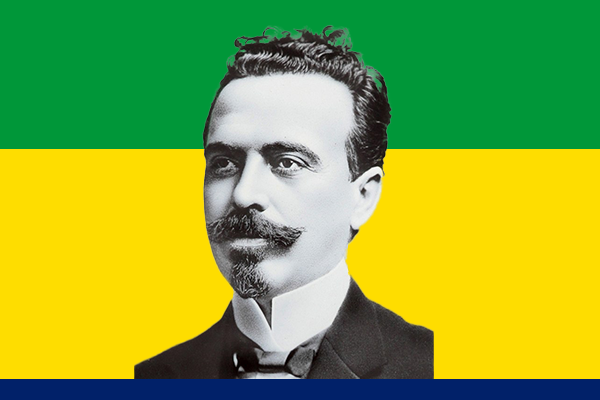
Early Life and Education
Nilo Peçanha was born on October 2, 1867, in Campos dos Goytacazes, Rio de Janeiro. Coming from a modest background, he worked hard to rise through education and determination. He pursued law at the Faculty of Law of Recife, where he developed a strong interest in politics and social reform. His humble origins inspired him to focus on equal opportunities and public education throughout his career.
Political Rise and Leadership
Peçanha entered politics at a young age. He began his public life as a state legislator and later served as a federal deputy. He quickly gained recognition for his eloquence, integrity, and commitment to social justice. His leadership in Rio de Janeiro helped him become a respected figure in the Republican Party.
As governor of Rio de Janeiro, he prioritized education, infrastructure, and public health. He established technical schools to prepare Brazil’s youth for industrial work, believing education was the foundation of national progress. He also promoted the expansion of the railway system and improved agricultural productivity, connecting rural and urban regions for economic growth.
Role as Vice President
In 1906, Nilo Peçanha became Vice President of Brazil under President Afonso Pena. During this time, he supported modernization policies that strengthened Brazil’s economy and improved public services. He worked closely with the president to balance national unity and economic expansion.
Peçanha took an active role in administration, often mediating between political factions. His calm diplomacy and commitment to fairness earned him respect from allies and opponents alike. When President Afonso Pena passed away in 1909, Peçanha assumed the presidency, demonstrating his capability and composure in times of crisis.
Presidency and Reforms
As President from 1909 to 1910, Nilo Peçanha guided the nation with clarity and progressive vision. He focused on industrial growth, education, and social welfare. He founded Brazil’s first federal technical school network, which later became known as the Federal Centers for Technological Education (CEFETs). These institutions provided opportunities for working-class Brazilians to gain valuable skills and contribute to national development.
Peçanha also strengthened foreign relations and encouraged trade agreements that benefited Brazil’s economy. He maintained political stability during a sensitive period and defended democratic institutions. His leadership showed that modernization could coexist with social responsibility.
Later Life and Legacy
After leaving the presidency, Nilo Peçanha continued to influence Brazilian politics. He served as a senator and remained an advocate for education and civic equality. In 1920, he ran for president again as a candidate of the Reação Republicana (Republican Reaction) movement, which opposed the dominance of powerful states in national politics. Though he did not win, his campaign reflected his dedication to democratic principles and national development.
Nilo Peçanha passed away on March 31, 1924. Brazilians remembered him as a reformer who valued merit, education, and inclusion. His initiatives in technical education transformed Brazil’s workforce and opened opportunities for the underprivileged.
Conclusion
Nilo Peçanha’s leadership reflected the spirit of progress and equality in Brazil’s early republican era. As Vice President and later as President, he acted decisively to expand education, modernize infrastructure, and promote social harmony. His vision for a fair and educated Brazil continues to influence the nation’s development. Peçanha proved that true leadership comes not from privilege, but from the commitment to serve the people with wisdom and integrity.