Mr. Sergey Tereshchenko
In Office: 24 April 1990 – 16 October 1991
Political Party: Communist Party of Kazakhstan
Home State: Lesozavodsk
Lifespan: 1951–2023
Country: Kazakhstan
Image credits available here.
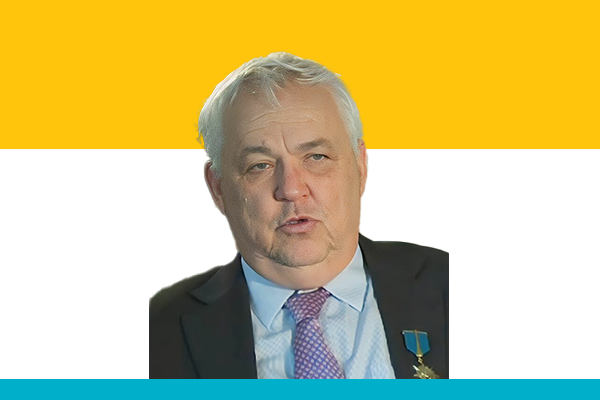
Early Life and Education
Sergey Tereshchenko was born on March 30, 1951, in the territory that later became part of independent Kazakhstan. He grew up during the Soviet era, a period marked by centralized planning and strong state control over political and economic life. From an early age, Tereshchenko demonstrated discipline and leadership qualities, which guided him toward higher education in technical and administrative fields. His academic background helped him understand both economic management and state administration, skills that later proved valuable in public service.
Entry into Public Service
Tereshchenko began his professional career working in industrial and administrative roles. He gained experience in management and governance while serving in various positions within the Soviet system. These early roles allowed him to develop a practical understanding of economic planning, production systems, and public administration. As political reforms began to reshape the Soviet Union, Tereshchenko emerged as a capable administrator suited to leadership during times of transition.
Role in National Leadership
During the early 1990s, Kazakhstan faced immense political and economic uncertainty following the collapse of the Soviet Union. Sergey Tereshchenko rose to national prominence during this transformative period. As a senior leader of the state, he worked closely with the country’s top leadership to stabilize governance and maintain continuity. His responsibilities included supporting executive decision-making, coordinating government institutions, and contributing to policies aimed at economic reform and national stability.
Economic and Administrative Contributions
One of Tereshchenko’s most significant contributions was his focus on economic management during a time of structural change. Kazakhstan needed to move away from a centrally planned economy toward market-based mechanisms. Tereshchenko supported reforms designed to encourage private enterprise, improve state efficiency, and maintain social balance. He emphasized pragmatic solutions over ideological rigidity, understanding the risks of sudden economic disruption for ordinary citizens.
Leadership Style and Public Image
Sergey Tereshchenko was known for his calm and practical leadership style. Rather than relying on populist rhetoric, he focused on administrative effectiveness and cooperation among state institutions. Colleagues often described him as disciplined, methodical, and committed to public duty. His leadership approach reflected the need for stability and careful decision-making during a period of national uncertainty.
Later Influence and Legacy
Although his time in top leadership roles was relatively limited, Tereshchenko’s impact remains significant in Kazakhstan’s political history. He served during a foundational phase when institutions were still forming and policies were being tested. His work contributed to maintaining governmental continuity and preventing deeper instability. Today, he is remembered as a transitional leader who helped guide Kazakhstan through one of the most challenging phases of its modern history.
Conclusion
Vice President Sergey Tereshchenko’s career represents the complexities of leadership during political transformation. His experience, administrative discipline, and commitment to stability played an important role in Kazakhstan’s early independent years. While not a long-term figure in power, his contributions helped lay the groundwork for governance and reform in a newly independent nation.