Mr. Sergio Osmeña
In Office: 15 November 1935 – 1 August 1944
Political Party: Nacionalista Party
Home State: Cebu City
Lifespan: 1878–1961
Country: Philippines
Image credits available here.
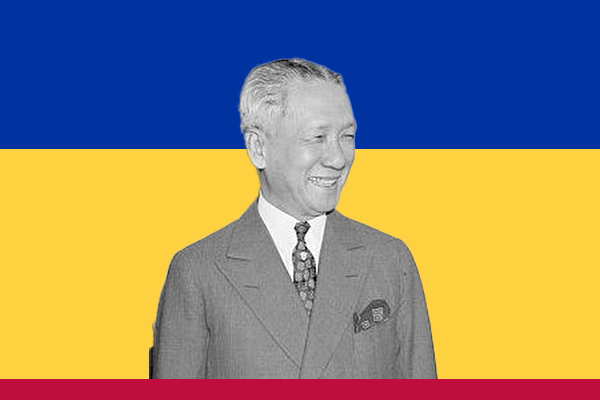
Early Life and Education
Sergio Osmeña was born on September 9, 1878, in Cebu City, Philippines. He grew up in a modest household but displayed strong leadership skills and intelligence from an early age. He pursued his primary education in Cebu and later attended the University of Santo Tomas in Manila, where he studied law. In 1903, he passed the bar examination with high honors, marking the beginning of a distinguished career in public service.
Entry into Public Service
Osmeña began his career as a journalist, using his writing to advocate for reform and national progress. His passion for civic improvement and education quickly drew public attention. In 1904, he became the governor of Cebu, a position he held with efficiency and compassion. He improved local governance, promoted education, and strengthened the province’s economy. His success as governor paved the way for a greater role in national politics.
Leadership in the Philippine Assembly
In 1907, Filipinos held their first national legislative elections, and Osmeña won a seat in the Philippine Assembly. His peers elected him as the first Speaker of the Assembly at the age of 29, making him one of the youngest political leaders in the country. As Speaker, Osmeña promoted unity and cooperation among legislators. He supported measures that advanced education, infrastructure, and economic development. He worked tirelessly to strengthen Filipino self-governance under American colonial rule.
Founding the Nacionalista Party
Osmeña co-founded the Nacionalista Party with Manuel L. Quezon in 1907. The party sought independence for the Philippines and pushed for national progress. Osmeña and Quezon built a strong political alliance based on mutual respect and shared ideals. However, their partnership later evolved into a political rivalry as both aspired to lead the nation. Despite differences, Osmeña maintained a dignified and statesmanlike approach, always prioritizing the country’s welfare over personal ambition.
Vice Presidency under Manuel L. Quezon
When the Commonwealth of the Philippines was established in 1935, Osmeña became the first Vice President of the nation under President Manuel L. Quezon. As Vice President, he assisted in organizing the new government and implementing policies that prepared the Philippines for full independence. He worked closely with Quezon on matters of national defense, education, and economic stability.
Leadership During World War II
During World War II, Osmeña joined the government-in-exile in the United States after Japanese forces occupied the Philippines. He represented the Filipino people in international discussions and helped secure American support for the country’s liberation. When President Quezon died in 1944, Osmeña succeeded him as President of the Commonwealth. He immediately worked with General Douglas MacArthur to restore the Philippine government after the war.
Post-War Presidency and National Reconstruction
As President, Osmeña faced the enormous challenge of rebuilding a war-torn nation. He prioritized rehabilitation of infrastructure, reestablishment of schools, and restoration of peace and order. He also encouraged economic cooperation between the Philippines and the United States. Despite his achievements, Osmeña lost the 1946 presidential election to Manuel Roxas, marking the end of his presidency but not his influence in national affairs.
Legacy of Leadership and Integrity
Sergio Osmeña retired from politics after his electoral defeat but remained a respected figure in Philippine history. He embodied integrity, humility, and public service. His leadership emphasized cooperation, moral governance, and unity. He passed away on October 19, 1961, leaving behind a legacy of courage and dedication to the Filipino people.
Osmeña’s contributions shaped the foundations of modern Philippine democracy. As Vice President and later President, he guided the nation through some of its most difficult periods with calmness and determination. His vision of a united and progressive Philippines continues to inspire leaders and citizens alike.