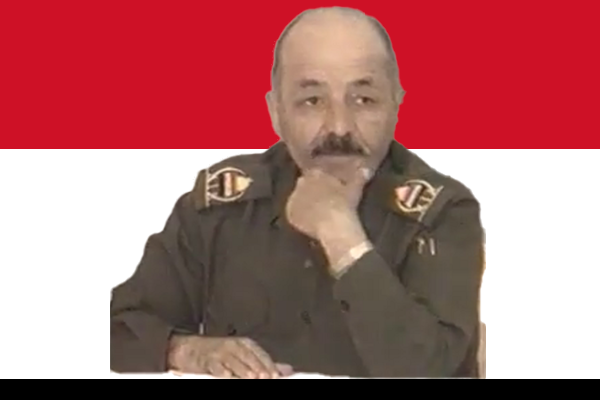
Mr. Taha Yassin Ramadan
In Office: March 1991 – 9 April 2003
Political Party: Arab Socialist Ba’ath
Home State: Sulaymaniyah
Lifespan: 1938–2007
Country: Iraq
Image credits available here.
Early Life and Political Beginnings
Taha Yassin Ramadan was born in 1939 in Mosul, Iraq. Coming from a modest background, he joined the Arab Socialist Ba’ath Party at a young age. The Ba’ath Party’s ideology of Arab nationalism, socialism, and unity deeply influenced his political beliefs. Through dedication and organizational skills, Ramadan steadily rose through party ranks, gaining the trust of senior leadership. His early involvement laid the foundation for his long political career.
Rise within the Ba’ath Party
During the 1960s and 1970s, Ramadan became an important figure within the Ba’ath Party’s structure. He played a key role in strengthening party institutions and implementing its policies across Iraq. His reputation as a disciplined and loyal party member helped him secure influential positions. As Saddam Hussein consolidated power, Ramadan emerged as one of his close associates, often entrusted with sensitive administrative and political responsibilities.
Role as Vice President of Iraq
Taha Yassin Ramadan was appointed Vice President of Iraq in 1991, a position he held until 2003. In this role, he supported Saddam Hussein’s leadership during a challenging period marked by international sanctions, regional conflicts, and internal pressures. Ramadan often represented the Iraqi government in official functions and contributed to decision-making at the highest level. He was known for his firm stance against foreign intervention and consistently defended Iraq’s sovereignty in public statements.
Influence on Economic and Internal Affairs
As Vice President, Ramadan took an active interest in economic and internal administrative matters. During the years of economic sanctions imposed on Iraq, he participated in managing domestic policies aimed at maintaining stability. Although these efforts faced severe limitations due to international restrictions, Ramadan remained a vocal supporter of government strategies. His role reflected the regime’s emphasis on centralized authority and strict control over state institutions.
Loyalty to Saddam Hussein
One of the defining aspects of Taha Yassin Ramadan’s political life was his unwavering loyalty to Saddam Hussein. He consistently supported the president’s decisions and policies, even during times of crisis. This loyalty strengthened his position within the regime but also tied his legacy closely to Saddam’s leadership. Ramadan was widely viewed as a symbol of continuity and discipline within the Ba’athist system.
Fall of the Iraqi Government
Following the 2003 invasion of Iraq, the Ba’ath Party government collapsed. Taha Yassin Ramadan was captured by coalition forces and later tried by the Iraqi High Tribunal. He faced charges related to crimes against humanity, particularly concerning events in Dujail. His trial marked the end of his long political career and symbolized the dramatic shift in Iraq’s political landscape.
Legacy and Historical Assessment
Taha Yassin Ramadan remains a controversial figure in Iraqi history. Supporters view him as a dedicated nationalist who stood firm during difficult times, while critics associate him with authoritarian rule and human rights abuses under the Ba’ath regime. His life reflects the complexities of Iraqi politics during Saddam Hussein’s era, making him an important subject for understanding the country’s modern history.