Edward VII
Coronation: 9 August 1902
Reign: 22 January 1901 – 6 May 1910
Home State: Buckingham Palace
Lifespan: 1841–1910
Country: Canada
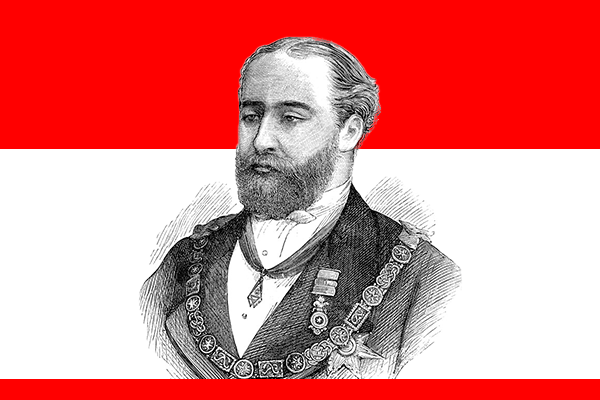
Edward VII and His Connection to Canada
Edward VII, born on November 9, 1841, played a significant role in the British Empire as the King of the United Kingdom and the Dominions, including Canada. When he ascended the throne on January 22, 1901, after the death of his mother, Queen Victoria, Canada was already a self-governing Dominion within the British Empire. Edward VII’s reign marked a new era for Canada as it moved toward modernization and stronger national identity while maintaining its ties to the Crown.
Early Life of Edward VII
As the eldest son of Queen Victoria and Prince Albert, Edward VII grew up in an era of great political, social, and industrial changes. He received an extensive education, but his parents kept him under strict discipline. Despite this, Edward developed a sociable and charming personality, which later helped him win the respect and affection of people in Britain and across the Empire, including Canadians.
Before becoming king, he held the title of Prince of Wales and visited many countries. His famous tour of Canada and the United States in 1860 made him the first member of the royal family to visit North America, strengthening ties between Canada and the monarchy. Canadians welcomed him warmly, and his visit became a historic milestone in royal-Canadian relations.
Edward VII’s Reign and Canada
When Edward VII became king in 1901, Canada was undergoing significant changes. The country was growing rapidly, with expanding industries, immigration, and economic development. Canadians viewed the monarchy as a unifying force, especially in times when the country was shaping its national identity.
Although Edward VII spent little time in Canada during his reign, his influence was felt in many ways. Canadians admired his diplomatic skills, particularly in improving international relations. He became known as the “Peacemaker” for his efforts in maintaining friendly ties with other nations, a quality that indirectly benefited Canada as part of the British Empire.
Under his reign, Canada continued to strengthen its position within the Empire while gaining more autonomy. The monarchy symbolized stability and tradition, values Canadians respected during times of rapid modernization.
The 1860 Royal Tour and Its Impact
Edward VII’s visit to Canada as the Prince of Wales in 1860 had long-lasting effects. He traveled through several provinces, including Nova Scotia, New Brunswick, and the Province of Canada (later Ontario and Quebec). Thousands of Canadians gathered to see him, showing deep loyalty to the Crown.
The tour helped foster a sense of unity among Canada’s diverse regions. It also paved the way for future royal visits, which became an essential part of Canada’s cultural and political life. Even decades later, Canadians remembered the warmth and charm Edward brought during his stay.
Legacy of Edward VII in Canada
Edward VII reigned until his death on May 6, 1910. His legacy in Canada lives on through landmarks, institutions, and historical memories. Places like Prince Edward Island and various statues, buildings, and streets named in his honor reflect his lasting influence.
Moreover, his reign marked the beginning of a modern monarchy that connected more personally with people across the Empire. Canadians continued to cherish the ties with the Crown, even as the country moved toward greater independence in the following decades.
Conclusion
Edward VII played a significant role in strengthening Canada’s relationship with the British monarchy. His royal tour, diplomatic approach, and symbolic presence as king helped unite Canadians and reinforce their loyalty to the Crown. While his reign was relatively short, his influence on Canada’s cultural and political history remains important, making him a respected figure in the nation’s past.