Early Life and Education
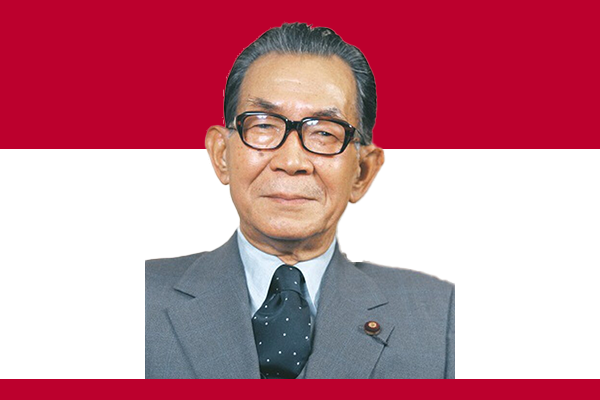
Takeo Miki was born on March 17, 1907, in Awa, Tokushima Prefecture, Japan. He grew up in a rural setting, where he witnessed the struggles of ordinary people. His passion for public service developed early. He studied at Meiji University in Tokyo, where he majored in political science. Later, he traveled to the United States and attended the University of Southern California. This exposure to Western education shaped his political thinking and helped him develop a strong belief in democracy and social reform.
Entry into Politics
Miki began his political career in 1937 when he won a seat in the House of Representatives. He actively voiced concerns about social welfare, education, and economic development. His dedication to reform gained him recognition in Japan’s political circles. During World War II, he openly opposed the military dictatorship and advocated for peace, a rare stance at that time. His courage and integrity earned him respect from both colleagues and the public.
Political Rise and Party Leadership
After the war, Miki became one of the founding members of the Liberal Party, which later merged into the Liberal Democratic Party (LDP). He actively worked to rebuild Japan’s political and economic systems. His leadership roles in various party committees allowed him to push for democratic reforms, better governance, and transparency in politics.
Miki believed in clean politics. He often criticized corruption and demanded reforms within his party. This attitude set him apart from many politicians of his time, who preferred maintaining political power over ethical governance.
Tenure as Prime Minister
Takeo Miki became the Prime Minister of Japan on December 9, 1974, after the resignation of Kakuei Tanaka due to a major corruption scandal. Miki took charge during a challenging period marked by political instability and public distrust.
He launched several reforms to strengthen Japan’s democratic institutions. He introduced policies to reduce political corruption, regulate election funds, and promote transparency in government activities. He also emphasized improving Japan’s relations with other countries while maintaining a strong alliance with the United States.
During his tenure, he encouraged open discussions in the Diet (Japan’s parliament) and involved opposition parties in decision-making. This inclusive approach made Japanese politics more democratic and accountable.
Challenges Faced
Despite his reformist vision, Miki faced resistance within his own party. Many senior leaders disliked his strict stance against corruption and political favoritism. The Lockheed bribery scandal, involving top Japanese politicians, further tested his leadership. Miki refused to interfere with legal investigations, even though some LDP members wanted him to protect party leaders.
His insistence on transparency and justice weakened his political support inside the party. Eventually, internal party conflicts led to his resignation as Prime Minister on December 24, 1976.
Legacy and Impact
Takeo Miki left a lasting impact on Japanese politics. He demonstrated that ethical governance and democratic values could guide political leadership. His reforms influenced later efforts to reduce corruption and make Japanese politics more transparent.
Even after leaving office, he continued to advocate for democracy, education, and social reforms until his death on November 14, 1988.
Conclusion
Prime Minister Takeo Miki stood out as a leader who valued honesty, democracy, and political reform. He fought corruption, promoted transparency, and strengthened democratic institutions in Japan. His legacy continues to inspire political leaders who believe in ethical and accountable governance.