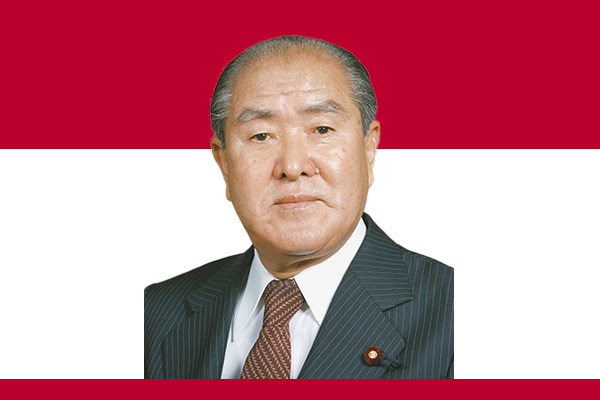
Early Life and Background
Zenko Suzuki was born on January 11, 1911, in Yamagata Prefecture, Japan. He grew up in a rural environment and gained firsthand knowledge of the struggles faced by farmers. After graduating from the Tokyo University of Fisheries, he actively pursued a career in the fishing industry before entering politics. His early life experiences shaped his practical approach to leadership and policymaking.
Entry into Politics
Suzuki entered politics after World War II when Japan was undergoing reconstruction. He successfully won a seat in the House of Representatives in 1947 as a member of the Liberal Party, which later merged into the Liberal Democratic Party (LDP). Over the years, Suzuki actively built his political career, holding various important positions, including Minister of Agriculture and Forestry and Minister of Health and Welfare.
Rise to Prime Ministership
In 1980, following the sudden death of Prime Minister Masayoshi Ōhira, the LDP needed a leader who could maintain party unity and political stability. Suzuki stepped up and became the 70th Prime Minister of Japan on July 17, 1980. His calm and moderate nature helped him gain support within the party, even though he initially lacked broad public popularity.
Domestic Policies and Governance
As Prime Minister, Suzuki actively promoted economic stability and growth. He worked to control inflation, strengthen Japan’s financial sector, and maintain steady industrial development. He encouraged technological innovation while balancing environmental protection and energy security.
Suzuki also supported rural communities, understanding their needs from his own background. He prioritized agricultural reforms, rural development, and social welfare programs to improve the living standards of Japanese citizens.
Foreign Policy and International Relations
Suzuki played a significant role in strengthening Japan’s foreign relations. He emphasized Japan’s alliance with the United States and maintained a peaceful approach toward neighboring Asian countries.
In 1981, Suzuki visited the United States and met President Ronald Reagan. The two leaders reaffirmed the U.S.-Japan Security Treaty, which ensured Japan’s defense under America’s nuclear umbrella while Japan pursued a strictly non-nuclear policy. Suzuki’s diplomatic approach helped Japan maintain strong international ties during the Cold War era.
Leadership Style and Challenges
Suzuki’s leadership style was calm, consensus-driven, and pragmatic. He avoided aggressive political battles and preferred negotiations to resolve conflicts. However, his tenure faced challenges, including factional disputes within the LDP and growing demands for political and economic reforms.
Despite criticisms for being too cautious, Suzuki managed to maintain political stability during a period of global tension and domestic change.
Retirement and Legacy
Suzuki retired from politics in 1984 after decades of public service. He left behind a legacy of moderate leadership, political stability, and diplomatic balance. Many remembered him as a leader who valued consensus over confrontation and peace over aggression.
Zenko Suzuki passed away on July 19, 2004, but his contributions to Japan’s political and economic landscape continue to hold historical significance.
Conclusion
Zenko Suzuki actively guided Japan through a challenging period with steady leadership, practical policies, and diplomatic skill. His tenure demonstrated the importance of consensus-driven governance in maintaining political stability and economic growth.