Early Life and Education
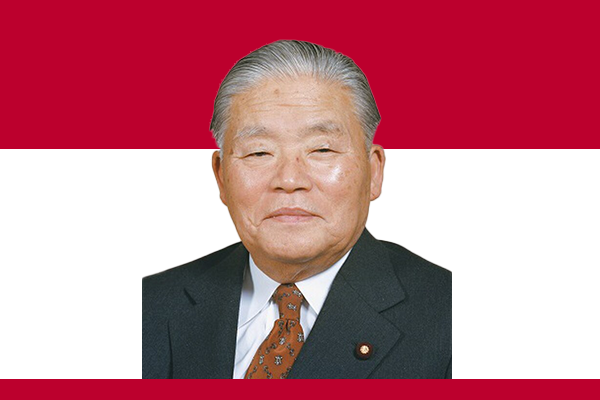
Masayoshi Ōhira was born on March 12, 1910, in Kagawa Prefecture, Japan. He pursued his studies at Hitotsubashi University, where he specialized in economics and public administration. His academic background prepared him for a career in public service and international diplomacy. Ōhira began his career as a bureaucrat in Japan’s Ministry of Finance, where he gained valuable experience in economic planning and financial policy.
Entry into Politics
Ōhira entered politics after World War II when Japan was rebuilding its economy and political institutions. He joined the Liberal Democratic Party (LDP), which dominated Japanese politics during the post-war era. His expertise in economics and diplomacy quickly earned him recognition within the party. In 1952, he won a seat in the House of Representatives, beginning his long and influential career in national politics.
Role as Foreign Minister
Ōhira served as Japan’s Foreign Minister from 1962 to 1964 and again from 1972 to 1974. In this role, he strengthened Japan’s relations with the United States and other countries while promoting economic cooperation in Asia. He played a key role in Japan’s decision to normalize diplomatic relations with China in 1972, marking a major milestone in Japanese foreign policy. His diplomatic efforts enhanced Japan’s global reputation as a peaceful and cooperative nation.
Becoming Prime Minister
The Liberal Democratic Party chose Masayoshi Ōhira as Prime Minister in December 1978 after Takeo Fukuda stepped down. As Prime Minister, Ōhira focused on stabilizing Japan’s economy, which faced challenges from oil crises and global economic uncertainty. He promoted fiscal reforms, encouraged technological innovation, and supported Japan’s growing role in the international economy.
Domestic and Economic Policies
Ōhira believed in balancing economic growth with social welfare. He introduced policies to modernize industries, improve energy efficiency, and promote research and development in science and technology. His administration also supported infrastructure projects to enhance transportation and communication networks across Japan. These initiatives strengthened Japan’s economy and positioned it as a global leader in technology and manufacturing.
Foreign Relations and Diplomacy
Under Ōhira’s leadership, Japan expanded its diplomatic presence worldwide. He emphasized the importance of international cooperation and trade partnerships. He strengthened Japan’s alliance with the United States while pursuing independent foreign policies in Asia and beyond. His administration promoted Japan’s participation in global forums, reflecting his vision of Japan as a responsible and influential nation on the world stage.
Death and Legacy
Tragically, Masayoshi Ōhira passed away on June 12, 1980, during the election campaign for the House of Representatives. His sudden death shocked the nation. However, his vision for economic modernization, technological advancement, and international diplomacy continued to influence Japan’s policies in the following decades. Many historians remember him as a forward-thinking leader who combined economic expertise with a commitment to global peace and cooperation.
Conclusion
Masayoshi Ōhira transformed Japan’s economic and diplomatic landscape through his policies and leadership. From his early career in finance to his tenure as Prime Minister, he focused on modernizing Japan’s economy and strengthening its role in international affairs. His legacy lives on as a symbol of Japan’s post-war transformation and global engagement.