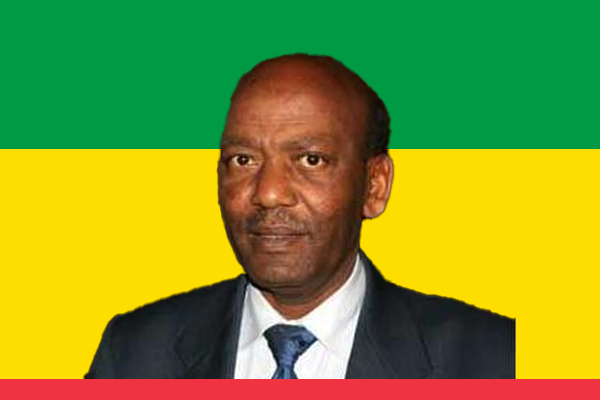
Mr. Negasso Gidada
In Office: 22 August 1995 – 8 October 2001
Political Party: Independent
Home State: Dembi Dollo
Lifespan: 1943–2019
Country: Ethiopia
Image credits available here.
Early Life and Education
Negasso Gidada was born on September 8, 1943, in Dembidolo, western Ethiopia. His upbringing in a modest family inspired his deep sense of responsibility toward his country. He pursued his early education in Ethiopia and later continued his higher studies abroad. Negasso studied history and social sciences in Germany, where he earned his doctorate. His time in Europe broadened his worldview and strengthened his belief in democracy, equality, and human rights.
Academic and Early Career
After completing his studies, Negasso Gidada returned to Ethiopia with a determination to serve his country. He began his career as a researcher and academic, contributing to cultural and social studies. His intellectual work focused on Ethiopia’s history and the rights of its diverse ethnic communities. He wrote extensively about identity, governance, and social justice, establishing himself as a thoughtful scholar.
Entry into Politics
Negasso Gidada entered politics during a critical moment in Ethiopia’s history. After the fall of the Derg regime in 1991, the country began transitioning to a democratic system. Negasso joined the Ethiopian People’s Revolutionary Democratic Front (EPRDF) and played an active role in rebuilding national institutions. His leadership qualities and commitment to inclusiveness earned him respect across political and ethnic lines.
Becoming President of Ethiopia
In 1995, the Ethiopian Parliament elected Negasso Gidada as the first President of the Federal Democratic Republic of Ethiopia. His appointment came at a time when the country was shaping its new federal constitution and modern political identity. As president, Negasso represented unity and reconciliation in a nation emerging from years of dictatorship and conflict.
Leadership and Achievements
President Negasso Gidada focused on building democratic institutions and promoting national harmony. He encouraged open political dialogue and emphasized the importance of a federal system that respected Ethiopia’s diverse ethnic groups. His presidency helped strengthen the rule of law and fostered trust in the new democratic framework.
Negasso also supported initiatives to expand education, healthcare, and infrastructure development. He frequently visited different regions to connect with local communities and listen to their concerns. Through these efforts, he built bridges between the government and the people, ensuring that national policies reflected public needs.
Relationship with Prime Minister Meles Zenawi
During his presidency, Negasso worked alongside Prime Minister Meles Zenawi. While both leaders shared the goal of national progress, they occasionally disagreed on certain political directions. Negasso valued democratic debate and independence within the government. His willingness to express his opinions demonstrated his commitment to transparency and democratic values.
Later Years and Political Independence
In 2001, Negasso’s term as president ended. After leaving office, he continued to participate in political life, this time as an independent figure. He criticized policies he believed did not align with democratic principles and encouraged political openness. His post-presidency years reflected his consistent dedication to justice, fairness, and national dialogue.
Personal Character and Legacy
Negasso Gidada was known for his humility, honesty, and intellectual depth. He preferred persuasion over confrontation and always advocated for peaceful solutions. His leadership style reflected moral conviction rather than personal ambition.
When he passed away on April 27, 2019, Ethiopians across political and ethnic lines honored his contributions. Many remembered him as a symbol of integrity and national unity.
Conclusion
President Negasso Gidada played a crucial role in guiding Ethiopia from dictatorship toward democracy. His vision emphasized inclusion, education, and equality. He inspired citizens to believe in the power of peaceful reform and intellectual leadership. His legacy continues to influence Ethiopia’s political and moral landscape.