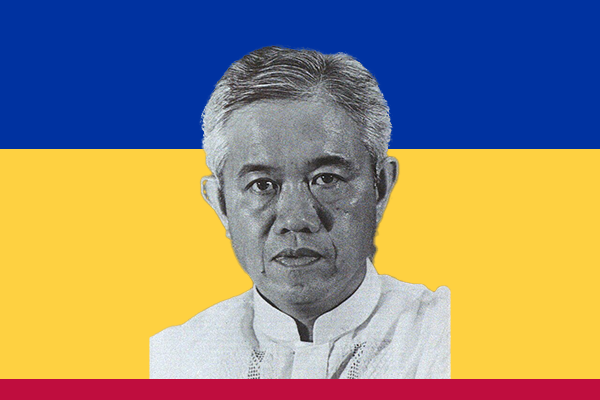
Mr. Cesar Virata
In Office: 28 July 1981 – 25 February 1986
Political Party: New Society Movement
Home State: Kawit
Lifespan: born 1930
Country: Philippines
Image credits available here.
Early Life and Education
Cesar Enrique Aguinaldo Virata was born on December 12, 1930, in Cavite, Philippines. Coming from a respected family, he valued education and hard work from a young age. Virata studied at the University of the Philippines, where he earned a degree in business administration. His outstanding academic performance led him to pursue a Master’s in Business Administration at the Wharton School of the University of Pennsylvania. His education in the United States equipped him with advanced economic knowledge and a global perspective.
Academic and Professional Beginnings
After completing his studies, Virata returned to the Philippines to teach at the University of the Philippines. He shared his expertise in finance and economics with future Filipino leaders and professionals. His dedication to teaching and research established him as one of the country’s leading economists. Before entering politics, he also worked as a consultant and adviser on financial management, gaining respect in both academic and business circles.
Entry into Government Service
In the early 1970s, President Ferdinand Marcos recognized Virata’s financial expertise and appointed him as Secretary of Finance. Virata accepted the role and applied his technical knowledge to improve the country’s fiscal policies. He emphasized balanced budgeting, foreign investment, and debt management. His leadership helped stabilize the Philippine economy during a period of uncertainty and transition.
As Minister of Finance
As Finance Minister, Virata promoted fiscal responsibility and efficiency. He strengthened the Bureau of Treasury and improved the country’s financial reporting systems. He also represented the Philippines in international economic organizations, gaining credibility for his careful financial planning. Virata negotiated loans and aid packages that supported infrastructure development and industrial growth. His pragmatic approach earned him recognition as a skilled technocrat rather than a traditional politician.
Appointment as Prime Minister
In 1981, President Marcos appointed Cesar Virata as the Prime Minister of the Philippines, combining the roles of economic manager and political leader. As Prime Minister, Virata focused on modernizing the economy, improving government efficiency, and attracting foreign investment. He worked closely with international partners to strengthen trade and finance. His administration aimed to balance national development with fiscal discipline.
Policies and Achievements
Virata implemented policies that encouraged industrialization and export-oriented growth. He promoted investment in manufacturing, energy, and infrastructure. He also advocated for education and human capital development to prepare Filipinos for an increasingly competitive global market. While he maintained close coordination with President Marcos, Virata focused on the technical aspects of governance rather than political maneuvering. His data-driven decisions improved government transparency and accountability in economic management.
Challenges During His Tenure
Despite his achievements, Virata faced major challenges during his term. The global recession of the early 1980s and the country’s rising debt burden strained the economy. Public discontent over corruption and inequality also grew. As a technocrat, Virata often faced criticism for his association with the Marcos administration. However, he continued to advocate for fiscal responsibility and long-term reform, even amid political tension.
Later Years and Legacy
After the 1986 People Power Revolution, which ended Marcos’s rule, Virata peacefully stepped down from office. He returned to academia and business, contributing to economic research and education. The University of the Philippines later honored him by naming its business school after him — the Cesar E.A. Virata School of Business. This recognition reflected his lifelong dedication to education and economic progress.
Impact on Philippine Governance
Cesar Virata’s leadership shaped the Philippines’ approach to financial management and economic planning. He proved that technical expertise and professionalism could guide national policy. His calm and analytical leadership style inspired future economists and public servants. Though his tenure occurred during a politically turbulent era, his economic reforms and integrity earned him enduring respect.