PRIME MINISTERS OF SPAIN
Introduction
The office of the Prime Minister of Spain, officially known as the Presidente del Gobierno, plays a central role in shaping the country’s political direction. As the head of government, the prime minister leads the executive branch, guides national policies, and represents Spain in major international affairs. Over the years, Spain has witnessed leadership from a diverse range of prime ministers, each contributing to the nation’s political evolution.
LIST OF PRIME MINISTERS OF SPAIN


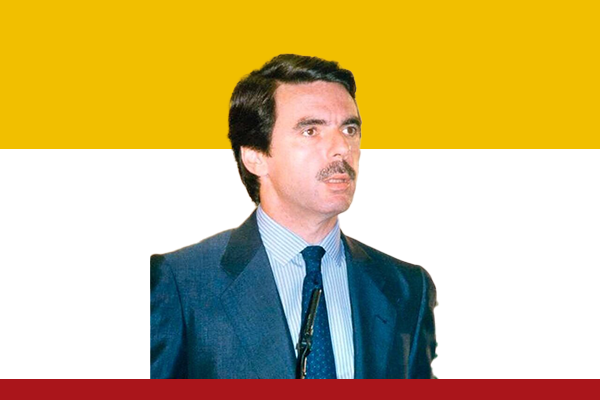




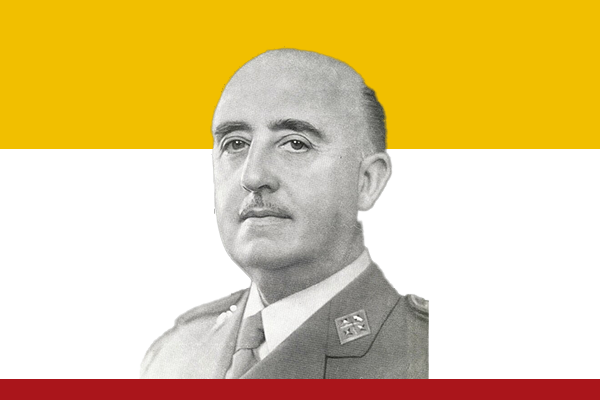

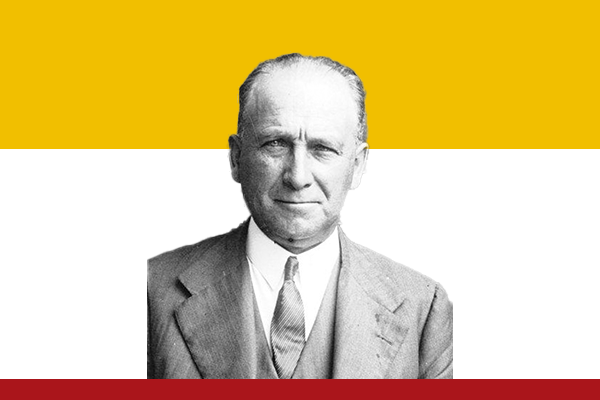
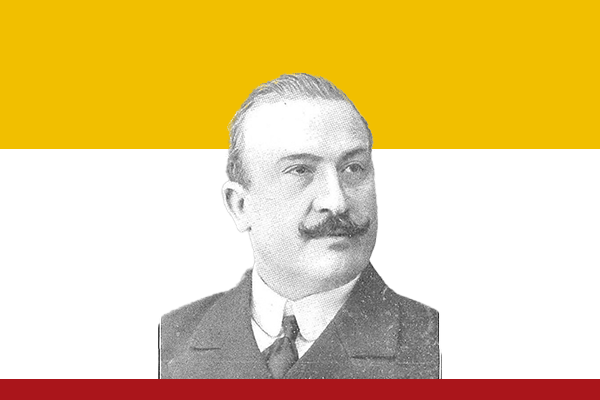
Prime Ministers of Spain
Spain began its modern parliamentary system after the approval of the 1978 Constitution, which marked the transition from dictatorship to democracy. This new era placed the prime minister at the forefront of decision-making, responsible for coordinating ministries, presenting legislative proposals, and ensuring the stability of government. The Congress of Deputies elects the prime minister, giving the role strong democratic legitimacy.
Adolfo Suárez served as the first prime minister of the democratic era. He led the country through crucial reforms, including legalization of political parties and the creation of a pluralistic political system. His leadership played a decisive role in stabilizing Spain after years of authoritarian rule. Following him, Leopoldo Calvo-Sotelo continued to strengthen democratic institutions, especially after the attempted coup of 1981.
Felipe González, one of Spain’s longest-serving prime ministers, brought significant modernization to the country. Under his leadership, Spain joined the European Economic Community and expanded social programs. His tenure emphasized progress, urban development, and integration into the European framework.
José María Aznar followed with a focus on economic liberalization and strengthening ties with global powers. His administration emphasized fiscal discipline, economic reforms, and international alliances. Later, José Luis Rodríguez Zapatero introduced social reforms, including gender equality initiatives and expanded civil rights, positioning Spain as a leader in progressive policies.
Mariano Rajoy came into office during a challenging economic period. He directed policies aimed at stabilizing the economy, reducing unemployment, and restoring financial confidence. His government managed the aftermath of the financial crisis, navigating Spain through economic hardship.
Pedro Sánchez, a prominent figure in modern Spanish politics, has focused on social welfare, environmental sustainability, and strengthening democratic values. His leadership highlights coalition-building and a commitment to inclusive governance in a politically diverse landscape. He continues to shape Spain’s role in European affairs and global cooperation.
The prime ministers of Spain reflect the country’s dynamic political identity. Each leader brought unique priorities—economic reforms, social progress, democratic strengthening, or international engagement. Together, they contributed to Spain’s transformation into a stable and influential parliamentary democracy. Today, the office of the prime minister remains central to the nation’s political life, guiding Spain through new challenges and opportunities in an ever-changing world.