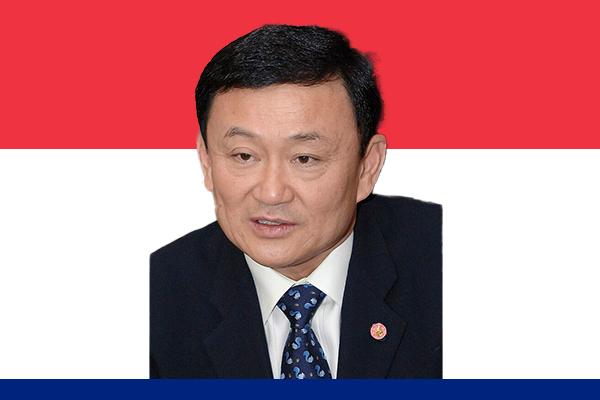
Mr. Thaksin Shinawatra
In Office: 9 February 2001 – 19 September 2006
Political Party: Thai Rak Thai
Home State: Nonthaburi
Lifespan: born 1949
Country: Thailand
Image credits available here.
Early Life and Business Career
Thaksin Shinawatra was born on July 26, 1949, in Chiang Mai, Thailand. He built a strong educational foundation by studying at the Thai Police Cadet Academy and later earning advanced degrees in the United States. After serving in the police force, Thaksin actively pursued business opportunities. He founded Shin Corporation and turned it into a powerful telecommunications empire. His success in business shaped his confidence, leadership style, and belief in decisive, results-driven governance.
Entry into Politics
Thaksin entered politics with a clear vision of modernizing Thailand. He founded the Thai Rak Thai Party in 1998 and positioned it as a party that directly addressed the needs of ordinary citizens. Unlike traditional politicians, Thaksin actively communicated with voters across rural Thailand. His message of economic revival and social support resonated strongly, especially after the Asian Financial Crisis.
Prime Ministership and Policies
Thaksin Shinawatra won a landslide victory in the 2001 general elections and became Prime Minister. He implemented bold and highly visible policies. His government launched the 30-baht universal healthcare scheme, which dramatically improved access to medical services for millions. He introduced village development funds and debt relief programs that directly supported rural communities.
Thaksin also focused on economic growth by promoting domestic consumption and strengthening small businesses. He actively used state power to push rapid development, which led to increased GDP growth and reduced poverty levels during his tenure.
Leadership Style and Governance
Thaksin ruled with a strong, centralized leadership style. He made quick decisions and expected loyalty from his administration. Supporters admired his efficiency and ability to deliver results, while critics accused him of authoritarian tendencies. Thaksin actively weakened independent institutions and concentrated power in the executive branch, which raised serious concerns about democratic checks and balances.
Controversies and Criticism
Despite his popularity, Thaksin faced intense criticism. His government handled the war on drugs aggressively, leading to thousands of deaths and international condemnation. Critics accused him of corruption, abuse of power, and conflicts of interest related to his business empire. Mass protests erupted in Bangkok as opposition groups demanded his resignation.
Removal from Office and Exile
In 2006, the Thai military staged a coup while Thaksin was abroad. The coup ended his premiership and marked a turning point in Thai politics. Following his removal, courts convicted him on corruption charges, and he went into self-imposed exile. Despite his absence, Thaksin continued to influence Thai politics through allied parties and family members.
Legacy and Impact
Thaksin Shinawatra permanently altered Thailand’s political landscape. He introduced populist policies that empowered rural voters and changed how political campaigns operated. His leadership deepened political polarization but also highlighted social and economic inequalities. Even years after his removal, Thaksin’s influence remains visible in Thai politics.
Conclusion
Prime Minister Thaksin Shinawatra actively reshaped Thailand through ambitious reforms, strong leadership, and controversial decisions. His tenure left a complex legacy of progress, division, and lasting political transformation.