Yingluck Shinawatra
In Office: 5 August 2011 – 7 May 2014
Political Party: Pheu Thai
Home State: Newcastle upon Tyne
Lifespan: born 1967
Country: Thailand
Image credits available here.
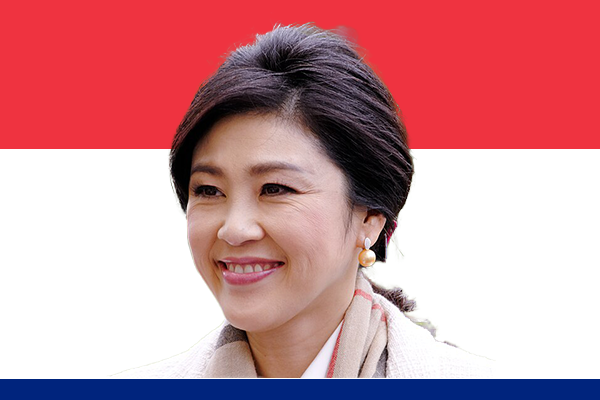
Early Life and Professional Background
Yingluck Shinawatra was born on June 21, 1967, in Chiang Mai, Thailand. She completed her education in Thailand and the United States, earning a degree in political science and a master’s degree in public administration. Before entering politics, she built a successful career in business, particularly in telecommunications and real estate. This professional experience helped her develop managerial skills and a pragmatic approach to governance, which later influenced her political style.
Entry into Politics
Yingluck entered politics in 2011 as a leading figure of the Pheu Thai Party. The party actively positioned her as a unifying leader capable of bridging political divides. During the general election campaign, Yingluck connected with voters by focusing on economic fairness, job creation, and support for rural communities. Her leadership energized the electorate, and the Pheu Thai Party secured a decisive victory. As a result, Yingluck assumed office as Prime Minister in August 2011.
Policies and Governance
As Prime Minister, Yingluck actively promoted economic stimulus and social welfare programs. She expanded infrastructure projects, encouraged foreign investment, and supported small and medium-sized enterprises. One of her most notable initiatives included the rice-pledging scheme, which aimed to increase farmers’ incomes by guaranteeing higher prices for rice. Through this policy, she sought to reduce rural poverty and strengthen Thailand’s agricultural sector.
Yingluck also prioritized disaster management, especially after severe flooding affected large parts of Thailand in 2011. Her government coordinated relief efforts, invested in flood prevention systems, and supported affected communities. In foreign policy, she strengthened regional cooperation within ASEAN and promoted Thailand’s role as a regional economic hub.
Challenges and Political Opposition
Despite her popular mandate, Yingluck faced strong opposition from rival political groups and sections of the bureaucracy. Critics challenged her policies, particularly the rice-pledging scheme, and accused her administration of mismanagement. Political protests intensified, and opposition leaders organized large demonstrations that disrupted government operations.
Yingluck attempted to resolve the crisis through dialogue and democratic processes. She dissolved parliament in 2013 and called for new elections, hoping to restore political legitimacy. However, continued unrest and legal challenges weakened her government and deepened national polarization.
Removal from Office and Legal Issues
In May 2014, the Constitutional Court removed Yingluck from office, citing abuse of power related to a personnel transfer. Shortly afterward, the military staged a coup and took control of the government. Yingluck later faced legal proceedings connected to the rice-pledging scheme. These events ended her political career in Thailand and significantly altered the country’s democratic trajectory.
Legacy and Historical Significance
Yingluck Shinawatra left a lasting mark on Thai politics. She broke gender barriers and inspired greater female participation in leadership roles. Her administration highlighted the importance of addressing rural inequality and economic inclusion. Although controversy surrounded her tenure, Yingluck’s leadership remains a key chapter in Thailand’s modern political history, reflecting both the promise and challenges of democratic governance in the country.