PRIME MINISTERS OF CAMBODIA
Introduction
The position of Prime Minister of Cambodia has played a decisive role in shaping the country’s political direction, governance style, and national reconstruction. From the colonial era to the modern constitutional monarchy, Cambodia’s prime ministers have navigated war, independence, ideological change, and post-conflict recovery. The office reflects the nation’s complex history and evolving political institutions.
LIST OF PRIME MINISTERS OF CAMBODIA
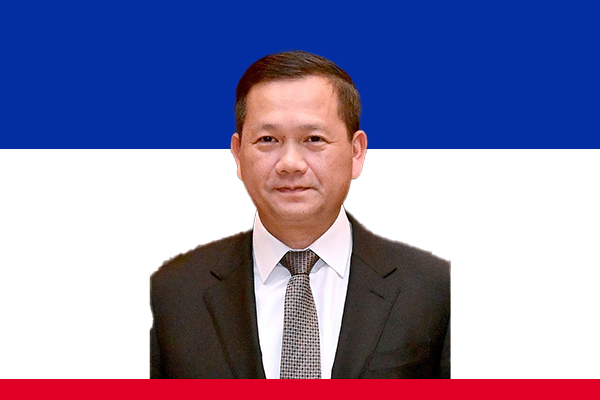


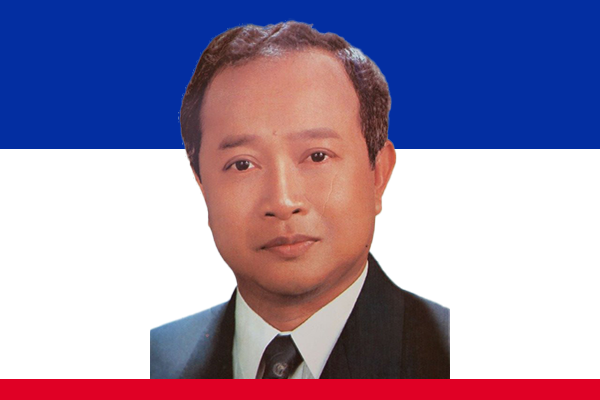
Early Period and Independence Era
Cambodia’s modern prime ministerial system began during the French colonial period in the mid-20th century. After gaining independence in 1953, the country adopted a constitutional framework in which the Prime Minister served as the head of government under the monarchy. Early leaders focused on nation-building, administrative development, and balancing foreign relations during the Cold War. Political instability, however, marked this period, with frequent changes in leadership and coalition governments.
Republican and Revolutionary Years
In 1970, a coup transformed Cambodia into a republic, drastically altering the political system. During this era, prime ministers operated under strong military influence and internal conflict. The situation worsened with the rise of revolutionary forces, culminating in the Khmer Rouge takeover in 1975. During the Democratic Kampuchea period, the traditional role of Prime Minister became largely symbolic, as real power rested with the revolutionary leadership. This era resulted in immense human suffering and the breakdown of state institutions.
Post-Conflict Reconstruction
Following the fall of the Khmer Rouge and subsequent Vietnamese-backed government, Cambodia entered a long phase of recovery. The 1980s and early 1990s saw provisional governments and shared leadership arrangements. The United Nations–supervised elections in 1993 marked a turning point, restoring the monarchy and establishing a constitutional system. During this transitional period, Cambodia experienced co-prime minister arrangements as part of power-sharing efforts to maintain stability.
Long-Term Leadership and Stability
One of the most significant figures in Cambodia’s prime ministerial history is Hun Sen, who served for decades. His tenure brought political continuity, economic growth, and integration into regional organizations. At the same time, his long rule sparked debates about democracy, governance, and political pluralism. Under his leadership, Cambodia shifted from post-conflict recovery toward development and infrastructure expansion.
Contemporary Era
In the modern period, the office of Prime Minister continues to shape Cambodia’s domestic and foreign policies. The transition of leadership to a new generation has emphasized continuity, economic modernization, and global engagement. Today, the Prime Minister works within a constitutional monarchy, cooperating with the King and the National Assembly while steering policy on development, education, and international relations.
Conclusion
The history of Cambodia’s prime ministers mirrors the nation’s broader journey—from colonial rule and conflict to reconstruction and modernization. Each phase introduced leaders who responded to the challenges of their time. Together, they have shaped Cambodia’s political identity and continue to influence its path toward stability and development.