PRIME MINISTERS OF UNITED ARAB EMIRATES
Prime Ministers of the United Arab Emirates
The United Arab Emirates (UAE) follows a unique federal system in which the Prime Minister is appointed by the Supreme Council of the Union. Traditionally, the ruler of Dubai holds the position of Prime Minister, while the ruler of Abu Dhabi serves as President. Since the formation of the UAE in 1971, the country has had two Prime Ministers, both from the Al Maktoum family of Dubai. Their leadership has played a central role in shaping the UAE’s political stability, economic growth, and global standing.
LIST OF PRIME MINISTERS OF UNITED ARAB EMIRATES
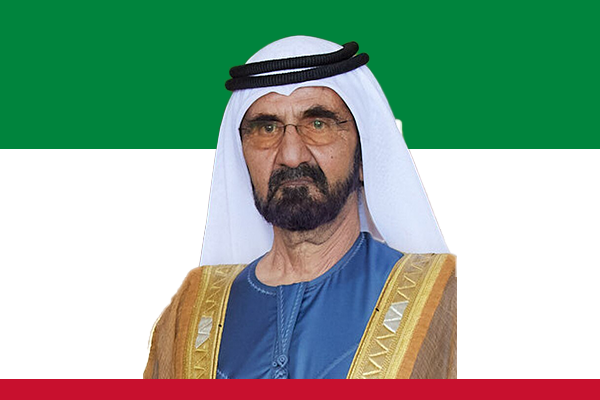
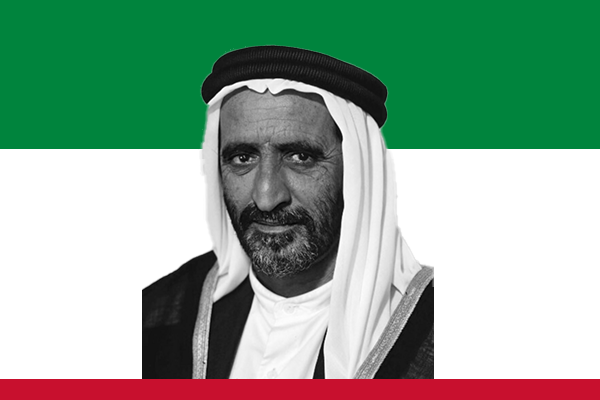
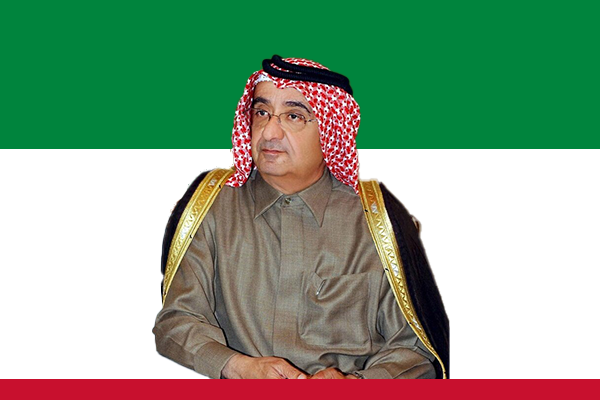
Sheikh Maktoum bin Rashid Al Maktoum (1971–2006)
Sheikh Maktoum bin Rashid Al Maktoum was the first Prime Minister of the United Arab Emirates, serving from the country’s founding in 1971 until his death in 2006. He was also the Ruler of Dubai and a key figure in the establishment of the federal system.
As Prime Minister, Sheikh Maktoum focused on building strong federal institutions and maintaining unity among the seven emirates. He worked closely with the UAE’s founding President, Sheikh Zayed bin Sultan Al Nahyan, to ensure cooperation between emirates with diverse economic and social structures. His leadership emphasized consensus, balance, and respect for local autonomy within the federal framework.
Sheikh Maktoum also supported Dubai’s early transformation into a regional trade and commercial hub. Under his guidance, Dubai strengthened its ports, aviation sector, and free zones, laying the groundwork for the emirate’s future global role. His long tenure provided political continuity and stability during the UAE’s formative decades.
Sheikh Mohammed bin Rashid Al Maktoum (2006–Present)
Sheikh Mohammed bin Rashid Al Maktoum became Prime Minister of the UAE in 2006, following the death of his brother, Sheikh Maktoum. He is also the Ruler of Dubai and one of the most internationally recognized leaders in the Arab world.
As Prime Minister, Sheikh Mohammed has driven ambitious reforms aimed at modernization, innovation, and government efficiency. He launched major national strategies focusing on economic diversification, digital governance, artificial intelligence, space exploration, and renewable energy. His leadership style emphasizes speed, accountability, and future-oriented planning.
Under his tenure, the UAE has strengthened its global profile through major initiatives such as Expo 2020 Dubai, advanced infrastructure development, and proactive foreign relations. Sheikh Mohammed has also promoted education, entrepreneurship, and youth empowerment, positioning the UAE as a knowledge-based economy.
Conclusion
The office of Prime Minister in the United Arab Emirates has been held by only two leaders, both of whom have shaped the nation’s direction at critical stages. Sheikh Maktoum bin Rashid Al Maktoum provided stability and unity during the UAE’s early years, while Sheikh Mohammed bin Rashid Al Maktoum continues to lead the country toward innovation and global competitiveness. Together, their leadership reflects the UAE’s evolution from a newly formed federation to a modern, influential state.