Mr. Temir Sariyev
In Office: 1 May 2015 – 13 April 2016
Political Party: Akshumkar
Home State: Sokuluk
Lifespan: born 1963
Country: Kyrgyzstan
Image credits available here.
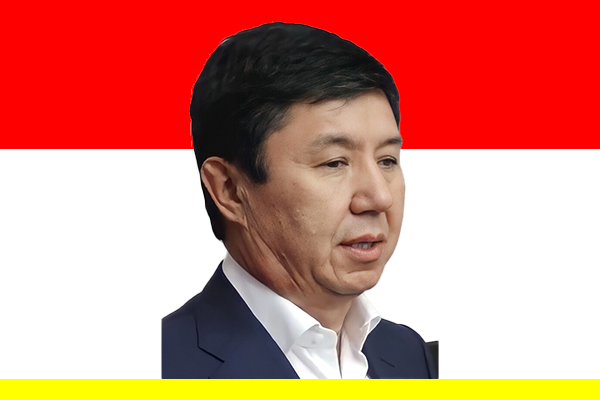
Early Life and Education
Temir Sariyev was born on 17 June 1963 in the Issyk-Kul region of Kyrgyzstan. He grew up during the Soviet era, a period that strongly shaped his early worldview and educational path. Sariyev pursued higher education in economics, graduating from Moscow State University, one of the most prestigious institutions in the former Soviet Union. His academic background in economics later became a defining feature of his political identity, as he consistently emphasized financial reform, fiscal discipline, and economic modernization throughout his career.
Entry into Politics
Following Kyrgyzstan’s independence in 1991, Temir Sariyev entered public life at a time when the country was undergoing deep political and economic transformation. He initially worked in financial and governmental institutions, gaining experience in public administration. His early roles helped him build a reputation as a technocrat with strong economic expertise. Over time, Sariyev became increasingly active in national politics, aligning himself with reform-oriented movements that sought to strengthen democratic institutions and reduce corruption.
Ministerial Roles and Opposition Politics
Before becoming prime minister, Sariyev held several key ministerial positions, including Minister of Finance. In this role, he focused on stabilizing public finances and improving budget transparency. He also became known as a prominent opposition figure during the presidencies of Askar Akayev and Kurmanbek Bakiyev. Sariyev participated actively in protests and reform movements, advocating for fair elections, accountability, and the rule of law. His opposition activities elevated his public profile and positioned him as a significant political actor in Kyrgyzstan.
Appointment as Prime Minister
Temir Sariyev was appointed Prime Minister of Kyrgyzstan in April 2015, during a period of political coalition-building and economic uncertainty. His appointment reflected the parliament’s desire for a leader with strong economic credentials who could manage reforms and maintain stability. Sariyev assumed office at a time when Kyrgyzstan was adjusting to membership in the Eurasian Economic Union, which brought both opportunities and challenges for trade and domestic industries.
Policies and Governance
As prime minister, Sariyev prioritized economic development, investment attraction, and fiscal responsibility. He supported measures aimed at improving the business climate, simplifying regulations, and encouraging small and medium-sized enterprises. His government worked to align national economic policies with regional economic frameworks, particularly within the Eurasian Economic Union. Sariyev also emphasized infrastructure development and energy sector reform as key drivers of long-term growth.
Challenges and Resignation
Despite his technocratic approach, Sariyev’s tenure faced significant political pressures. Coalition politics in parliament made governance complex, and disagreements over policy direction and appointments created tension within the ruling alliance. In April 2016, amid growing political criticism and internal disputes, Temir Sariyev resigned from the post of prime minister. His resignation underscored the fragile nature of political stability in Kyrgyzstan and the difficulties faced by reform-minded leaders.
Political Legacy
Temir Sariyev remains an important figure in Kyrgyz politics, remembered for his economic expertise and reformist stance. Although his time as prime minister was relatively short, his career reflects the broader struggles of Kyrgyzstan’s post-independence political development. Sariyev’s emphasis on transparency, fiscal discipline, and democratic values continues to influence political discourse in the country. His legacy is that of a pragmatic reformer navigating a complex and evolving political landscape.