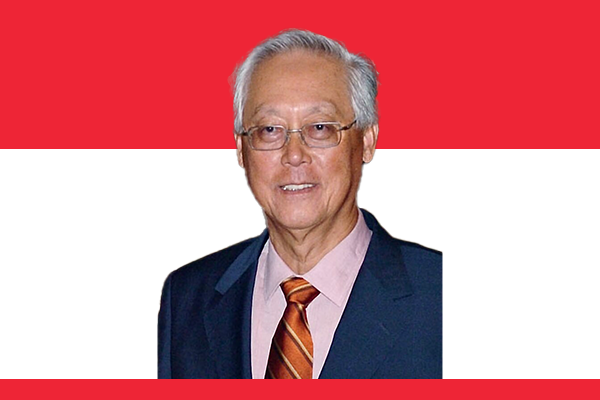
Early Life and Education
Born on 20 May 1941, Goh Chok Tong grew up in Singapore during the final years of British colonial rule and the turbulent period leading to independence. He was educated at Raffles Institution, one of the country’s most prestigious schools, where he demonstrated early leadership qualities. He later pursued higher education in economics at the University of Singapore, followed by postgraduate studies in development economics. His academic background gave him a strong analytical approach to governance and public policy.
Entry into Politics
Goh entered politics in 1976 when he was elected as a Member of Parliament. At that time, Singapore was rapidly industrializing and expanding its role in global trade. His early political career was marked by his involvement in labor and economic matters, areas that were critical to the country’s growth. His calm demeanor and ability to communicate with both workers and business leaders quickly set him apart.
Tenure as Deputy Prime Minister
Goh Chok Tong was appointed Deputy Prime Minister in 1979, serving under Prime Minister Lee Kuan Yew. In this position, he played a central role in shaping Singapore’s economic and social strategies during the 1980s. He was deeply involved in managing labor relations, wage policies, and economic restructuring, particularly as Singapore transitioned from labor-intensive industries to more skill-based and technology-driven sectors.
As Deputy Prime Minister, Goh was known for his consultative leadership style. Unlike the more forceful approach often associated with earlier leadership, he emphasized dialogue, consensus, and gradual reform. This approach helped maintain industrial harmony and social stability during a time of significant economic change.
Policy Contributions and Leadership Style
One of Goh’s key contributions as Deputy Prime Minister was his work on wage reform and productivity improvement. He supported policies that balanced economic competitiveness with social protection, ensuring that growth benefited a broad segment of society. His focus on teamwork within government also strengthened institutional decision-making.
Goh’s leadership style was often described as empathetic and people-centered. He believed that effective governance required understanding public concerns and responding to them thoughtfully. This philosophy later became a defining feature of his prime ministership but was clearly visible during his years as Deputy Prime Minister.
Preparation for Higher Leadership
Serving as Deputy Prime Minister prepared Goh Chok Tong for the responsibilities of leading the nation. He gained experience in managing complex portfolios, coordinating among ministries, and representing Singapore internationally. His steady performance and growing public trust made him a natural choice to succeed Lee Kuan Yew.
Legacy as Deputy Prime Minister
Goh Chok Tong’s tenure as Deputy Prime Minister is remembered as a period of stability, careful reform, and inclusive leadership. He helped guide Singapore through economic transformation while maintaining social cohesion. The skills, values, and policies he developed during this time left a lasting imprint on the country’s governance and continue to influence Singapore’s political culture today.