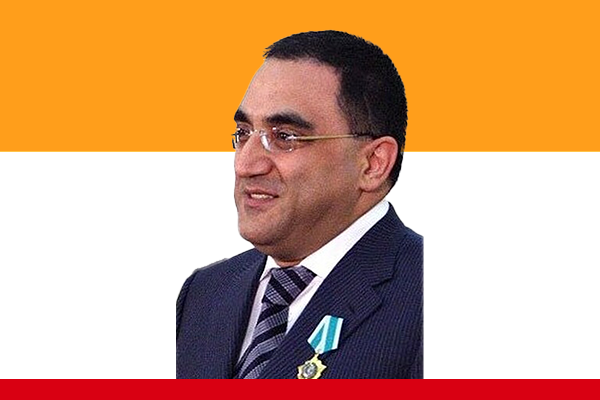
Early Life and Education
Armen Darbinyan was born on January 23, 1965, in Yerevan, the capital of Armenia. He grew up during the Soviet period, which influenced his education and early worldview. Darbinyan showed strong academic ability from a young age, especially in economics and public policy.
He pursued higher education in economics and later earned advanced degrees, specializing in financial systems and economic management. His academic background helped him develop expertise in economic reform, which later became central to his political career. He also worked in academic and research institutions, gaining recognition as a skilled economist.
Early Political and Professional Career
Before entering top-level politics, Darbinyan held important positions in Armenia’s financial sector. He served as Chairman of the Central Bank of Armenia from 1995 to 1998. During this time, Armenia was transitioning from a Soviet-style planned economy to a market-based economy.
His work focused on stabilizing Armenia’s national currency, controlling inflation, and strengthening the banking system. These efforts were critical in building economic stability in a newly independent country facing serious economic challenges.
His success at the Central Bank earned him respect among political leaders and economic experts.
Appointment as Prime Minister
In April 1998, Darbinyan was appointed Prime Minister by President Robert Kocharyan. He became one of the youngest prime ministers in Armenia’s history.
His appointment came at a time when Armenia was dealing with economic hardship, political changes, and the need for modernization. The government’s main goal was to improve economic growth and strengthen public institutions.
Policies and Achievements as Prime Minister
During his time as Prime Minister from 1998 to 1999, Armen Darbinyan focused mainly on economic reform and development.
His key achievements included:
1. Economic Stabilization
He worked to maintain financial stability and continue reforms started earlier in the decade. His policies helped improve investor confidence in Armenia.
2. Banking and Financial Reform
Darbinyan strengthened Armenia’s banking system, making it more reliable and better regulated.
3. Encouraging Investment
He supported policies to attract foreign investment, which was essential for economic growth and job creation.
4. Structural Reforms
He promoted privatization and modernization of industries to make Armenia’s economy more competitive.
Although his time in office was relatively short, his economic policies helped lay the foundation for future growth.
Challenges and Resignation
Despite his efforts, Darbinyan faced political challenges and disagreements within the government. Armenia’s political environment during the late 1990s was complex and unstable.
In June 1999, he resigned as Prime Minister. His resignation was part of broader political changes rather than a single specific failure. After leaving office, he returned to academic and professional work.
Academic and Later Career
After his political career, Darbinyan became actively involved in education and academic leadership. He served as Rector of the Armenian State University of Economics, where he contributed to developing future economists and leaders.
He also worked in international organizations and continued to influence economic policy through research and advisory roles.
His academic work helped strengthen Armenia’s educational system and economic thinking.
Legacy and Importance
Armen Darbinyan is remembered as an economist-prime minister who played an important role in Armenia’s transition to a modern economy.
His legacy includes:
Strengthening Armenia’s financial system
Supporting economic reforms
Promoting education and academic development
Helping stabilize the country during a difficult transition period
Although he served for only about one year, his contributions were important in shaping Armenia’s economic future.
Conclusion
Armen Darbinyan’s leadership came during a critical period in Armenia’s history. His expertise in economics helped guide the country through financial and structural reforms. His work as Prime Minister, central banker, and academic leader made him an important figure in Armenia’s post-independence development.