PRIME MINISTERS OF TIMOR LESTE
Prime Ministers of Timor-Leste
sovereign state in southeast asia, also known as East Timor, became an independent nation on 20 May 2002 after a long struggle against foreign occupation. Since independence, the country has been led by several prime ministers who have played crucial roles in building democratic institutions, maintaining stability, and promoting national development. The Prime Minister is the head of government and is responsible for running the executive branch, while the President serves as head of state.
LIST OF PRIME MINISTERS OF TIMOR LESTE
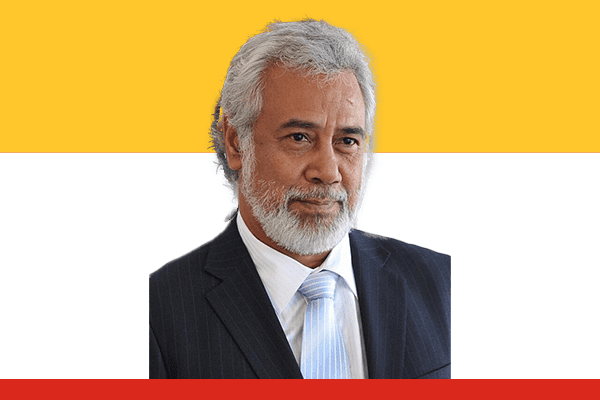
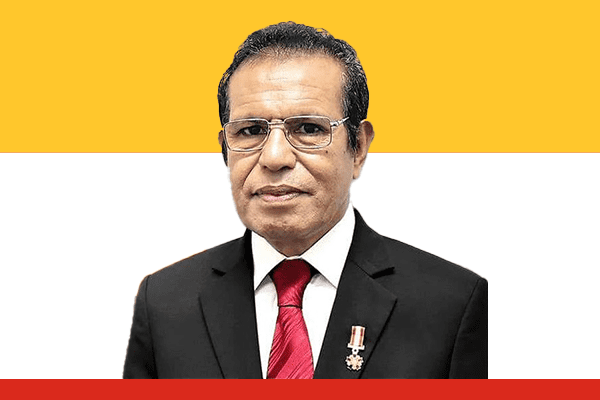
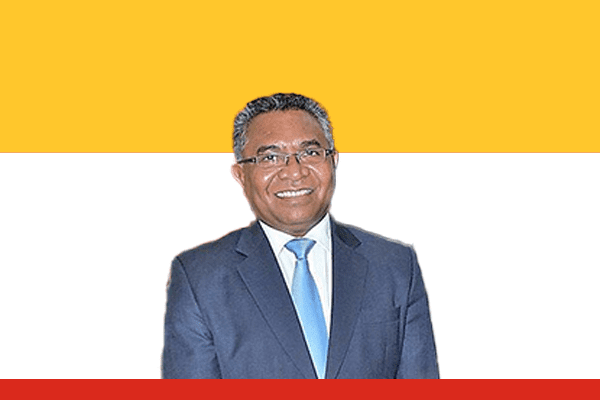
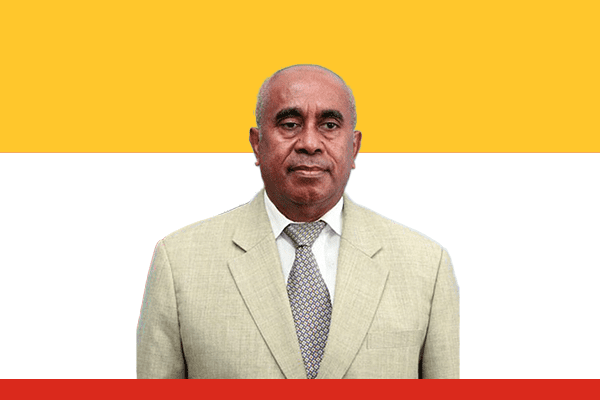
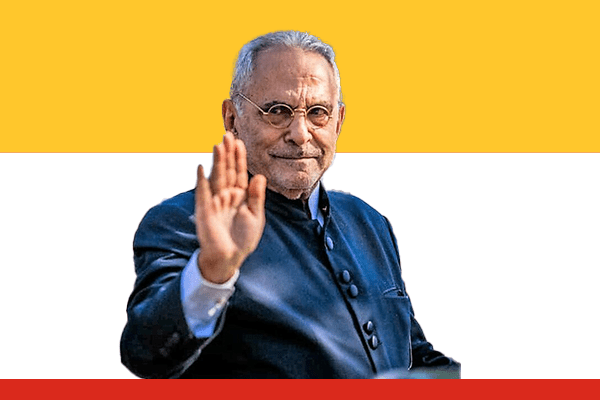
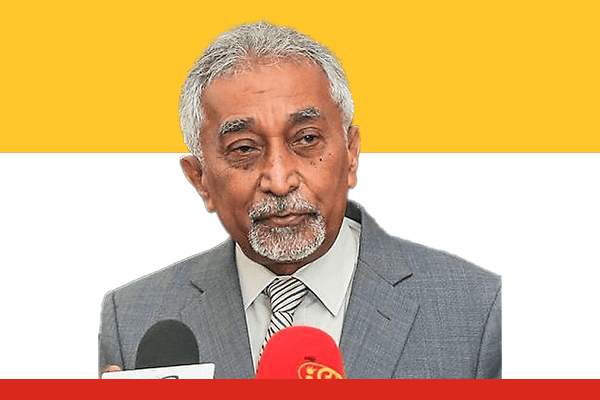
1. Mari Alkatiri (2002–2006; 2017–2018)
Mari Alkatiri was the first Prime Minister of independent Timor-Leste. A founding member of the political party Fretilin, he focused on establishing government institutions and managing the country’s oil and gas resources. During his first term, the nation faced political unrest in 2006, which led to his resignation. He later returned as Prime Minister in 2017 for a short term, continuing his efforts toward economic planning and infrastructure development.
2. José Ramos-Horta (2006–2007)
José Ramos-Horta, a Nobel Peace Prize laureate, served as Prime Minister during a time of crisis. He worked to restore stability after the 2006 conflict and improved relations with international partners. In 2007, he resigned to run for President and was successfully elected.
3. Estanislau da Silva (2007)
Estanislau da Silva briefly served as Prime Minister in 2007. His short tenure came during a transitional political period before new elections were held.
4. Xanana Gusmão (2007–2015)
Xanana Gusmão, a key leader in the independence movement, became Prime Minister in 2007. His leadership focused on national unity, infrastructure projects, and economic growth. He strengthened Timor-Leste’s international standing and invested in roads, ports, and public services. Gusmão stepped down in 2015 but remained influential in national politics.
5. Rui Maria de Araújo (2015–2017)
Rui Maria de Araújo led a government of national unity. His administration emphasized cooperation between political parties and social development programs, including healthcare and education improvements.
6. Taur Matan Ruak (2018–2023)
Taur Matan Ruak, a former President and military leader, served as Prime Minister beginning in 2018. His government worked on economic diversification, youth employment, and strengthening democratic institutions.
7. Kay Rala Xanana Gusmão (2023–Present)
In 2023, Xanana Gusmão returned to office as Prime Minister. His leadership continues to focus on economic reform, regional cooperation, and sustainable development.
Conclusion
The prime ministers of Timor-Leste have guided the young nation through challenges of post-conflict reconstruction, political instability, and economic development. Each leader has contributed in different ways to strengthening democracy and promoting national progress. As Timor-Leste continues to grow, the role of the Prime Minister remains central in shaping the country’s future.