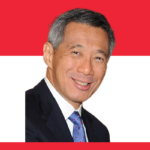
Prime Ministers of Singapore

Singapore, a city-state known for its remarkable economic growth and political stability, has had a small but influential line of prime ministers since gaining self-governance in 1959 and full independence in 1965. The office of the Prime Minister is the head of government and holds significant authority over the country’s domestic policies, international relations, and economic development. The role has been pivotal in shaping Singapore’s transformation from a developing nation to a global financial hub. Over the decades, Singapore’s prime ministers have played crucial roles in maintaining political stability, fostering economic prosperity, and guiding the nation through regional and global challenges.

LIST OF PRIME MINISTERS OF SINGAPORE

="timeline-item"
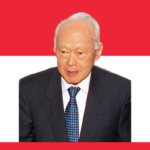
Lee Kuan Yew

Lee Kuan Yew (1923–2015) was Singapore’s first Prime Minister, serving from 1959 to 1990. Widely regarded as the founding father of modern Singapore, he transformed the nation from a small, resource-poor island into a thriving global financial and trade hub. Lee emphasized strict governance, anti-corruption policies, industrialization, and multicultural integration. His pragmatic leadership, vision for economic development, and focus on education and infrastructure laid the foundation for Singapore’s political stability, prosperity, and international prominence.

="timeline-item"
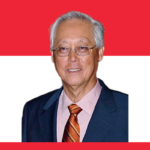
Goh Chok Tong

Goh Chok Tong served as Singapore’s second Prime Minister from 1990 to 2004, succeeding Lee Kuan Yew. Known for his more consultative and approachable leadership style, he emphasized transparency, social welfare, and economic growth. Under his tenure, Singapore strengthened its international relations, modernized infrastructure, and implemented policies to address an aging population. Goh played a key role in maintaining political stability while continuing the nation-building vision of his predecessor, ensuring Singapore’s sustained prosperity and global standing.

="timeline-item"
Lee Hsien Loong

Lee Hsien Loong has been the Prime Minister of Singapore since 2004, succeeding Goh Chok Tong. As the eldest son of founding father Lee Kuan Yew, he has focused on modernizing Singapore’s economy, advancing technology and innovation, and addressing social challenges such as healthcare, housing, and population growth. His leadership emphasizes meritocracy, transparency, and international diplomacy, ensuring Singapore’s continued stability and global influence. Under his tenure, the nation has strengthened infrastructure, digital economy, and social cohesion, maintaining its reputation as a prosperous city-state.

Lawrence Wong

Lawrence Wong is a Singaporean politician serving as the Deputy Prime Minister of Singapore and Minister for Finance. Born in 1972, he has held multiple key portfolios, including Education, National Development, and Health, gaining recognition for his leadership during the COVID-19 pandemic. Wong is widely regarded for his pragmatic approach to governance, strong communication skills, and focus on economic resilience and social policies. He is also seen as a leading figure in shaping Singapore’s future leadership.

List of Prime Ministers of Singapore

1. Lee Kuan Yew (1959–1990)

Lee Kuan Yew, often regarded as the founding father of modern Singapore, became the first Prime Minister when Singapore attained self-governance in 1959. He served until 1990, making him the longest-serving prime minister in Singapore’s history. Under his leadership, Singapore transformed from a small, resource-poor island into a thriving economic hub. Lee focused on industrialization, strict anti-corruption measures, and multicultural integration. His policies laid the foundation for Singapore’s political stability and global reputation.

2. Goh Chok Tong (1990–2004)

Goh Chok Tong succeeded Lee Kuan Yew in 1990, continuing the vision of development while adopting a more consultative and people-oriented leadership style. During his tenure, Singapore experienced rapid economic growth, strengthened its international relations, and implemented social policies to address an aging population. Goh emphasized transparency and openness, marking a gradual shift in governance style while maintaining the core principles established by Lee.

3. Lee Hsien Loong (2004–Present)

Lee Hsien Loong, the eldest son of Lee Kuan Yew, became Singapore’s Prime Minister in 2004. His leadership has focused on sustaining economic competitiveness, embracing technological advancements, and addressing social challenges such as healthcare, housing, and population growth. Lee Hsien Loong has also emphasized international diplomacy, ensuring Singapore remains an influential voice in regional and global affairs. Under his leadership, Singapore has continued to modernize its infrastructure, expand its digital economy, and maintain social harmony.

Singapore has had a remarkably stable political landscape, with the office of the Prime Minister playing a central role in its development. Each prime minister has contributed to shaping the nation’s policies, governance, and international standing, ensuring continuity and stability across decades. From nation-building under Lee Kuan Yew to modernization under Lee Hsien Loong, Singapore’s prime ministers have left an enduring impact on the country’s prosperity and global reputation.
Back to top of page