Early Life and Background
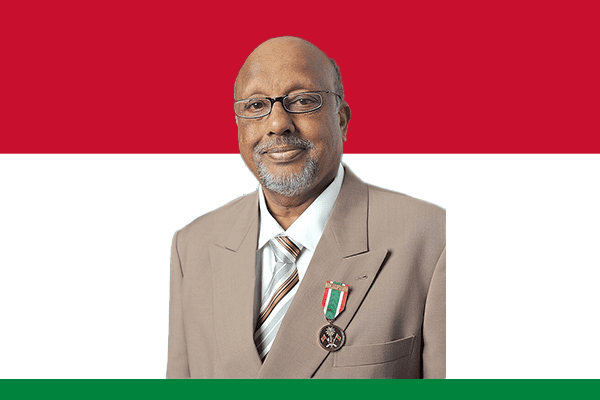
Mohamed Waheed Deen was born on 3 March 1947 in Malé, Maldives. He came from a notable family and later became known not only as a businessman but also as a social contributor. From an early stage in his career, he showed strong interest in the tourism industry, which was beginning to grow in the Maldives. He entered the field as a public relations officer and steadily built his reputation through hard work and leadership. Over time, he became one of the most recognized names in Maldivian tourism and business circles. His success in tourism also gave him the opportunity to support community organizations and national development initiatives.
Public Service Career
Before becoming Vice President, Mohamed Waheed Deen already had extensive government experience. He served as one of the first members of the Human Rights Commission of the Maldives from 2003 to 2005. He then took office as Minister of Atolls Development from July 2005 to June 2007. During this period, he strongly promoted local governance and helped introduce local councils. Because of these efforts, many people regarded him as a key figure in the development of local government in the Maldives. After that, he served as Minister of Youth and Sports from June 2007 to August 2008. These positions allowed him to gain practical knowledge in administration, community development, and youth empowerment.
Vice Presidency (2012–2013)
President Mohamed Waheed Hassan nominated Mohamed Waheed Deen as Vice President in February 2012, and the People’s Majlis later approved the nomination. He officially assumed office on 25 April 2012. During his vice presidency, he actively chaired and participated in several important national bodies, including the National Drug Control Council, the Crime Reduction Coordination Committee, the Climate Change Advisory Council, and the Qawmee Food and Nutrition Council. He also worked with the National Security Council and other coordination committees. Instead of holding a symbolic position, he took an active role in governance and policy support.
He also represented the Maldives in national and international meetings. In one 2012 speech on strengthening local governance, he emphasized that nation-building required listening to every citizen and empowering people economically. He argued that local councils should work beyond party lines and focus on national development. This active style of leadership reflected his belief that democracy and freedom grow stronger when citizens become economically empowered.
Contributions Beyond Politics
Mohamed Waheed Deen made contributions far beyond government office. He supported and co-founded several organizations, including the Diabetes Society of Maldives, the Maldives National Chamber of Commerce and Industry, and the Maldives Association of Tourism Industry. He also worked in sports development as a founder or executive member of various sports bodies. Through the Institute of Governance and Development (IGD), he promoted training and awareness programs for local councilors and youth leadership initiatives. He believed education, local leadership, and economic empowerment were essential for the future of the Maldives.
Awards and Legacy
For his service, Mohamed Waheed Deen received several honors. In 1988, he earned a Certificate of Commemoration for service to the nation after the attempted coup. In 1993 and 1997, he received national awards for contributions to tourism and community development. In 2010, he was awarded the National Award of Honour for social contribution. These recognitions show that he earned respect across different sectors of Maldivian society. His legacy remains tied to tourism development, local governance reform, social service, and his steady role during a politically sensitive period in Maldivian history.
Conclusion
Vice President Mohamed Waheed Deen was more than a ceremonial leader. He actively served the Maldives as a businessman, reform-minded administrator, and national statesman. His work in tourism, human rights, local governance, youth affairs, and vice-presidential leadership made him a significant figure in modern Maldivian history. He chose service over comfort and used his experience to strengthen institutions and encourage national unity. For many Maldivians, Mohamed Waheed Deen remains a symbol of practical leadership, civic responsibility, and dedication to the nation.