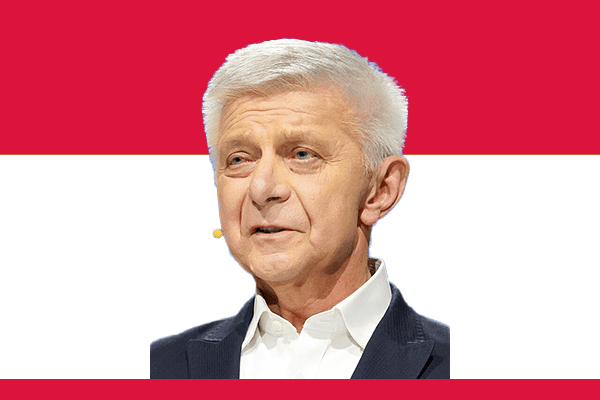
Early Life and Education
Marek Belka was born on January 9, 1952, in Łódź, Poland. He studied economics and later became a professor and specialist in economic policy. From an early stage of his career, he showed strong interest in finance, development, and public administration. His academic background gave him a strong foundation for working in government and dealing with national economic challenges.
Political and Professional Career
Marek Belka built his career through both academic work and public service. He became known as an expert in economic affairs and served in important government positions before becoming Prime Minister. He worked as the Minister of Finance and also advised leaders on economic reform. His knowledge of finance helped Poland manage difficult economic transitions after the end of communist rule.
Before becoming Prime Minister, Belka also gained international experience. He worked with major institutions and contributed to economic policy discussions at a high level. This international exposure increased his reputation as a reliable and knowledgeable statesman.
Prime Minister of Poland
In 2004, President Aleksander Kwaśniewski and political leaders supported Marek Belka for the position of Prime Minister after the resignation of Leszek Miller. He officially became Prime Minister on May 2, 2004. Poland had just entered the European Union, so the country needed stable leadership and smart economic planning. Belka accepted this responsibility and focused on improving economic stability, public finances, and international confidence.
As Prime Minister, Marek Belka worked to strengthen Poland’s economy and improve trust in the government. He promoted fiscal discipline, encouraged reforms, and supported Poland’s active participation in European affairs. Although his time in office was relatively short, he guided the country during an important transitional moment. His government aimed to create stability rather than political drama, and this practical approach defined his leadership style.
Later Career and Legacy
After serving as Prime Minister, Marek Belka continued to hold major public positions. He served in international roles and later became the President of the National Bank of Poland from 2010 to 2016. In this role, he helped guide Poland’s monetary policy and maintain financial stability during challenging global economic conditions.
Marek Belka is remembered as a thoughtful and professional leader rather than a highly dramatic political figure. His strength came from his expertise, calm decision-making, and dedication to economic reform. He represented a type of leadership based on knowledge, responsibility, and service.
Conclusion
Marek Belka made an important contribution to Poland as Prime Minister and as an economic expert. He led the country during a crucial period just after Poland joined the European Union and worked to ensure stability and progress. His career shows how academic knowledge and public service can come together in effective leadership. Even though his term as Prime Minister was short, his influence on Poland’s economy and public institutions remains significant.