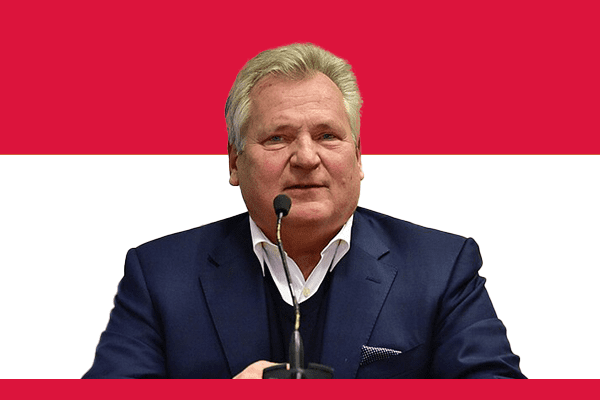
Early Life and Education
Aleksander Kwaśniewski was born on November 15, 1954, in Białogard. He grew up during a period when Poland operated under a communist political system. Kwaśniewski later studied economics at the University of Gdańsk. Although he did not complete his degree, his involvement in student organizations and political groups shaped his future career in public service and politics.
During the 1970s and 1980s, he became active in political and youth organizations connected with the ruling communist system. However, as Poland moved toward democratic reforms in the late 1980s, Kwaśniewski adapted to the changing political environment and began supporting democratic transformation.
Political Career Before Presidency
Before becoming president, Kwaśniewski gained significant political experience. In the early 1990s, he helped transform the former communist political structure into a democratic left-wing movement. He became a leading member of the Democratic Left Alliance, which played an important role in Poland’s post-communist politics.
From 1993 to 1995, he served as a member of the Polish parliament and worked actively to promote economic reforms and social policies. His leadership skills and moderate political views helped him gain broad support among voters who wanted stability and progress during Poland’s transition to democracy.
Presidency (1995–2005)
In 1995, Aleksander Kwaśniewski won the presidential election and defeated the incumbent leader Lech Wałęsa. At the age of 41, he became one of the youngest presidents in Poland’s history. His presidency marked a period of modernization, political stability, and stronger international cooperation.
One of his most important achievements was guiding Poland toward membership in NATO. In 1999, Poland officially joined the alliance, strengthening its security and military cooperation with Western countries. Kwaśniewski also worked actively to prepare Poland for membership in the European Union. After years of negotiations and reforms, Poland joined the EU in 2004, a historic milestone that improved trade, investment, and political cooperation with European partners.
During his presidency, Kwaśniewski also supported democratic institutions, promoted economic development, and encouraged reconciliation between different political groups within Poland. He emphasized Poland’s role as a stable and democratic country in Central Europe.
International Role and Diplomacy
Kwaśniewski played an important diplomatic role on the international stage. He cooperated with global leaders and supported democratic values in Europe. After leaving office in 2005, he continued participating in international diplomacy and conflict resolution efforts.
He also worked with international organizations and initiatives promoting democracy and political dialogue in different regions. His experience and leadership made him a respected figure in global politics.
Legacy
Aleksander Kwaśniewski remains one of the most significant political leaders in modern Polish history. His presidency helped strengthen Poland’s democracy, expand its international partnerships, and integrate the country into major Western institutions such as NATO and the European Union.
Today, historians and political analysts often recognize his leadership for guiding Poland through a crucial period of transformation and modernization. His policies and diplomatic efforts contributed to Poland’s development as a stable and influential European nation.