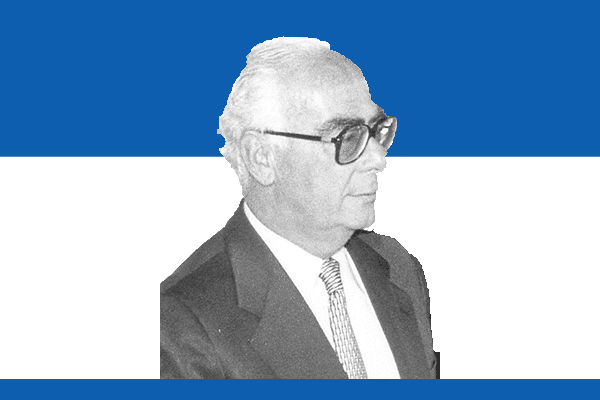
Early Life and Background
Georgios Rallis was born on December 26, 1918, in Athens, Greece, into a prominent political family. His father, Ioannis Rallis, also served as a political figure, which influenced Georgios’s early interest in governance. He studied law at the University of Athens and later continued his education abroad, gaining a broader understanding of political systems and international relations.
Rather than remaining detached from public affairs, he actively engaged in political discussions and developed a strong sense of responsibility toward national service. His education and upbringing prepared him for a long and impactful career in politics.
Political Career
Rallis began his political career as a member of parliament, where he quickly established himself as a capable and thoughtful leader. He worked in several ministerial roles, including Minister of Education and Minister of Foreign Affairs. In these positions, he introduced reforms aimed at modernizing Greece’s institutions and improving its international standing.
Instead of adopting a passive administrative approach, he actively participated in shaping policy and governance. His work in foreign affairs proved especially significant, as he supported Greece’s integration into European structures, including its path toward membership in the European Economic Community.
Prime Ministership
In 1980, Georgios Rallis became Prime Minister of Greece, succeeding Konstantinos Karamanlis. During his tenure, he focused on consolidating democracy and ensuring political stability. He guided Greece through its accession to the European Economic Community in 1981, a milestone that strengthened the country’s economic and political ties with Europe.
He actively pursued policies that reinforced democratic governance and promoted Greece’s international cooperation. Rather than maintaining a symbolic role, he engaged directly with policy decisions and administrative responsibilities.
Leadership Style and Contributions
Rallis led with a calm and pragmatic style. He valued dialogue, consensus, and careful decision-making. He worked to balance political differences and maintain stability in a country that had experienced significant upheaval in previous years.
He supported educational reforms and encouraged modernization in public administration. His contributions helped shape Greece’s transition into a stable European democracy. By focusing on long-term goals, he ensured that his policies had lasting impact.
Challenges and Political Transition
Despite his efforts, Rallis faced political challenges, including growing opposition and changing public expectations. In the 1981 elections, his party lost power to the Panhellenic Socialist Movement led by Andreas Papandreou. Following this defeat, Rallis accepted the outcome and stepped down, demonstrating respect for democratic processes.
Rather than resisting change, he supported a peaceful transition of power. His actions reinforced democratic norms and set a positive example for future leaders.
Personal Life and Legacy
Georgios Rallis maintained a dignified personal life and remained committed to public service throughout his career. He continued to contribute to political discourse even after leaving office. His legacy rests on his dedication to democracy, European integration, and political stability.
He passed away on March 15, 2006, but his contributions continue to influence Greek politics. His leadership during a critical period helped solidify Greece’s democratic foundations.
Conclusion
Georgios Rallis stands as a significant figure in Greek political history. Through active leadership and commitment to democratic values, he guided Greece during an important phase of its development. His role in European integration and political stabilization ensures that his legacy remains relevant today.