PRIME MINISTERS OF ALBANIA
Prime Ministers of Albania
The Prime Minister of Albania is the head of government and plays a central role in shaping the country’s domestic and foreign policies. Since Albania’s transition from a communist regime to a democratic system in the early 1990s, several prime ministers have led the nation through political reforms, economic development, and integration with European institutions.
LIST OF PRIME MINISTERS OF ALBANIA

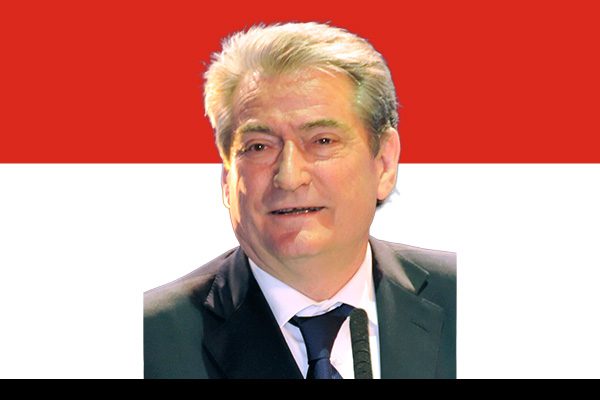
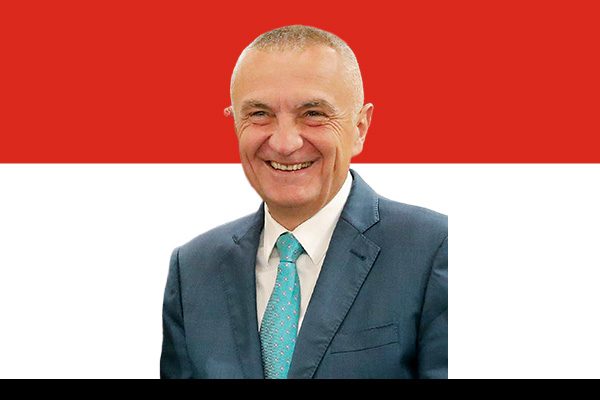
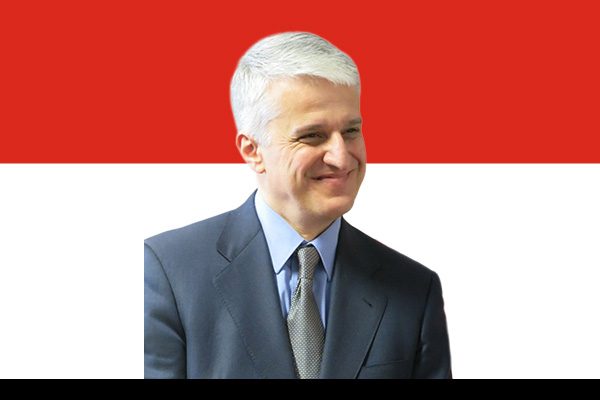
Early Democratic Leadership
Following the collapse of communism in 1991, Albania began its journey toward democracy. One of the first significant leaders during this transition was Fatos Nano. He served multiple terms as prime minister and was a key figure in establishing democratic governance. Nano focused on economic reforms and strengthening Albania’s international relations.
Another important leader was Sali Berisha. Berisha initially served as President and later became Prime Minister. His governments emphasized market reforms, infrastructure development, and efforts to improve Albania’s relationship with Western countries.
Political Stability and Economic Development
During the 2000s, Albania experienced greater political stability and economic growth. Fatos Nano returned to office and continued reforms aimed at attracting foreign investment and modernizing the economy.
In 2005, Sali Berisha became Prime Minister once again. His administration focused on road construction, public sector improvements, and Albania’s integration into international organizations. A major achievement during his tenure was Albania’s accession to the North Atlantic Treaty Organization in 2009, which strengthened the country’s security and international standing.
Edi Rama and Contemporary Albania
Since 2013, Albania has been led primarily by Edi Rama, one of the longest-serving prime ministers in the country’s democratic era. Before becoming Prime Minister, Rama served as the mayor of Tirana and gained recognition for urban development initiatives.
As Prime Minister, Rama has pursued judicial reforms, infrastructure modernization, and efforts to improve public administration. His government has also focused on strengthening Albania’s relationship with the European Union and advancing the country’s goal of EU membership. Under his leadership, Albania has continued to promote tourism, economic growth, and regional cooperation in the Balkans.
Challenges Faced by Albanian Prime Ministers
Albanian prime ministers have faced numerous challenges, including political polarization, economic transition, corruption concerns, and unemployment. They have also worked to strengthen democratic institutions and improve living standards for citizens. Balancing domestic priorities with international commitments remains an important aspect of the role.
Conclusion
The history of Albania’s prime ministers reflects the nation’s transformation from a communist state to a modern democratic republic. Leaders such as Fatos Nano, Sali Berisha, and Edi Rama have played significant roles in shaping Albania’s political and economic development. Through reforms, international cooperation, and efforts toward European integration, Albania’s prime ministers have contributed to the country’s progress and its growing presence on the international stage.