PRESIDENTS OF BELARUS
Presidents of Belarus
Belarus became an independent nation after the collapse of the Soviet Union in 1991. Since independence, the country has had a presidential system in which the president serves as both the head of state and one of the most powerful political figures in the nation. The presidency of Belarus has played a major role in shaping the country’s domestic policies, foreign relations, economy, and political structure. Over the years, Belarus has been closely connected with Russia while also maintaining its own national identity and government institutions.
LIST OF PRESIDENTS OF BELARUS
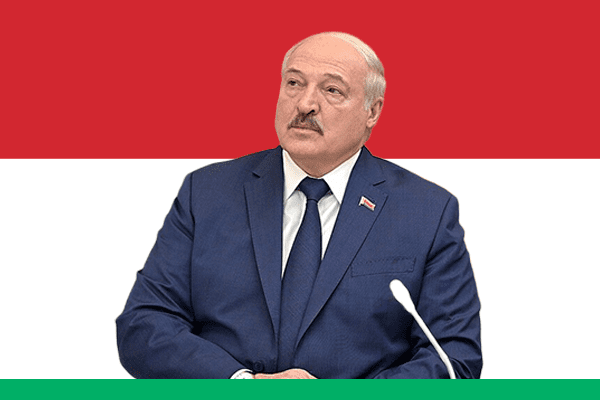
Creation of the Presidency
After gaining independence, Belarus initially operated under a parliamentary system. However, political leaders believed that a strong executive branch was necessary to manage economic reforms and political stability. As a result, the country adopted a new constitution in 1994 that established the office of president.
The first presidential election in Belarus took place in the same year. The election marked an important turning point in the nation’s political history because it introduced a centralized leadership structure.
Alexander Lukashenko
Alexander Lukashenko became the first president of Belarus in 1994. Before entering national politics, he worked as a state farm director and later served in parliament. He gained popularity for his anti-corruption message and promises to improve economic conditions.
Lukashenko won the 1994 election and has remained in power ever since. During his presidency, Belarus maintained strong economic and political ties with Russia. His government preserved many Soviet-style economic policies, including large state control over industries and agriculture.
Supporters of Lukashenko argue that he brought stability, low unemployment, and social welfare programs to Belarus during difficult economic periods. Critics, however, have accused his administration of limiting political opposition, restricting press freedom, and controlling elections. International organizations and several Western countries have often expressed concerns about human rights and democratic practices in Belarus.
Political System Under the Presidency
The president of Belarus appoints the prime minister, directs foreign policy, and serves as commander-in-chief of the armed forces. Constitutional changes and referendums over the years expanded presidential powers significantly. The president can also issue decrees that carry the force of law in many situations.
Belarus has held several presidential elections since 1994. These elections have attracted global attention because opposition groups and international observers frequently debate their fairness and transparency.
Conclusion
The presidency of Belarus remains one of the most influential institutions in the country’s political system. Since independence, Alexander Lukashenko has dominated Belarusian politics and shaped the nation’s direction for decades. The role of the president continues to influence Belarus’s economy, governance, and international relationships, making the office central to the country’s modern history.