PRIME MINISTERS OF INDIA
Introduction
The Prime Minister of India is the most powerful political leader in the country and the head of the government. The Prime Minister leads the executive branch, chairs the Cabinet, and plays a central role in policy-making and administration. While the President is the ceremonial head of state, the Prime Minister holds real power and directs the functioning of the central government. This position is vital for the governance and development of the country.
PRIME MINISTERS OF INDIA
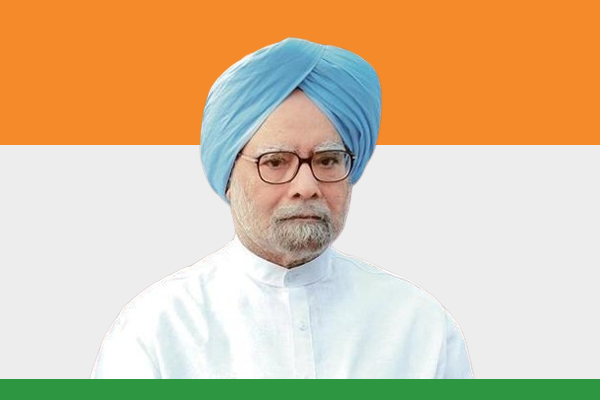


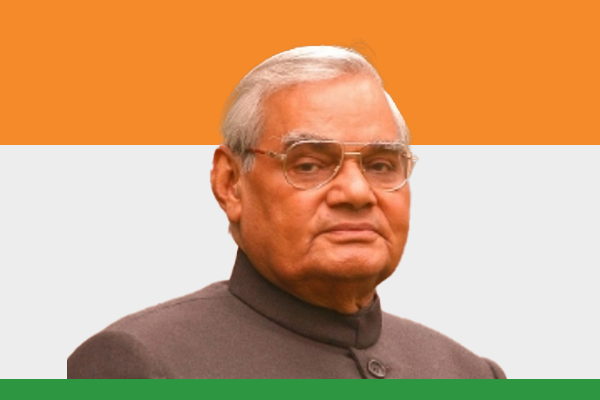
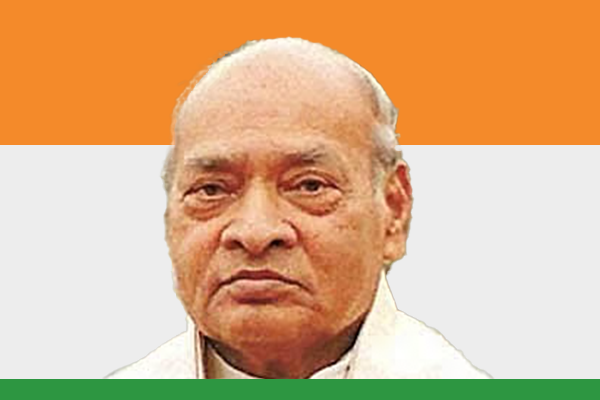
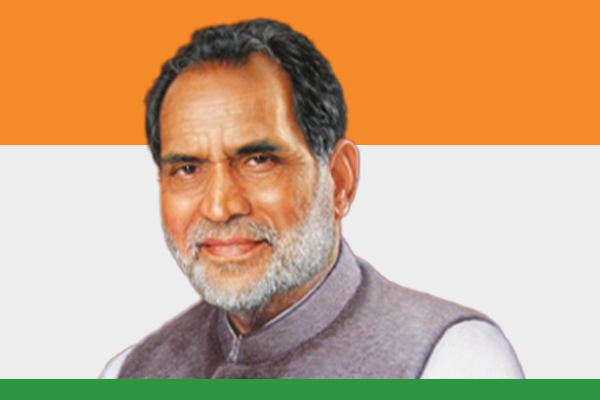

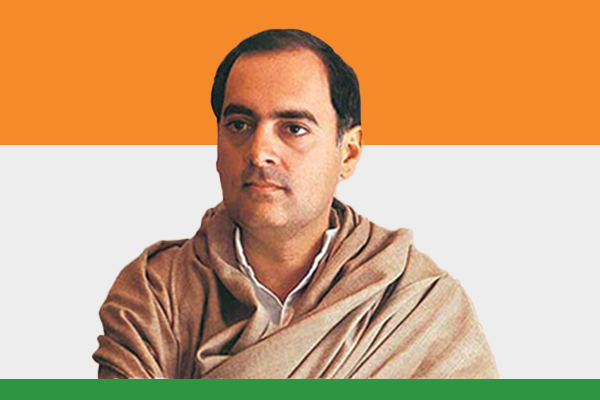

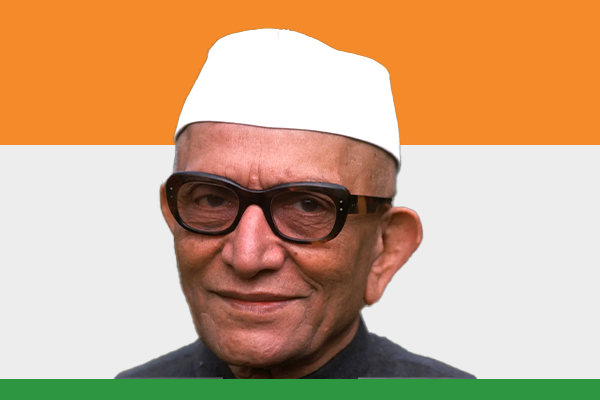
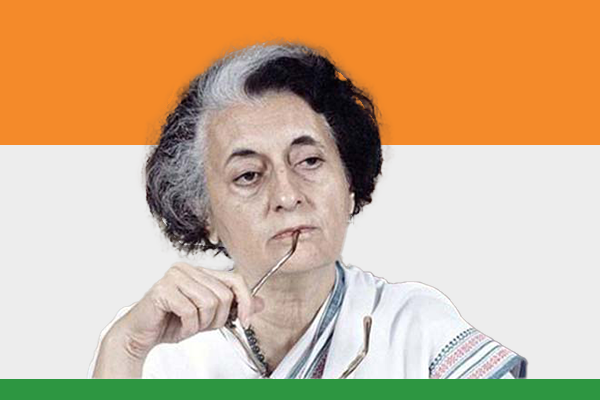
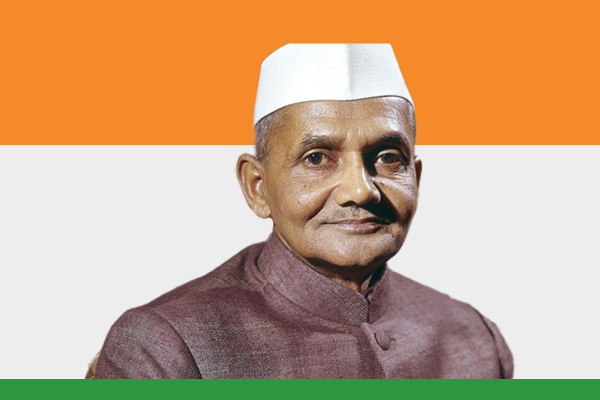
Leader of the Government
The Prime Minister leads the Council of Ministers and is responsible for running the administration efficiently. He or she decides the allocation of portfolios among ministers and coordinates their work. The Prime Minister sets the agenda for Cabinet meetings and ensures that decisions are carried out effectively. This leadership is crucial for maintaining unity within the government.
Policy Maker and Decision Maker
One of the main responsibilities of the Prime Minister is to formulate national policies and strategies. From economic reforms to foreign relations, the Prime Minister plays a major role in shaping India’s future. He or she takes important decisions in areas like defense, finance, agriculture, and education. The Prime Minister also represents the government’s stance in Parliament and explains policy decisions to the public.
Link Between the President and the Cabinet
The Prime Minister acts as a bridge between the President and the Council of Ministers. He or she communicates all Cabinet decisions to the President and keeps the President informed about national affairs. Although the President formally appoints ministers and approves decisions, the real authority rests with the Prime Minister and the Cabinet.
Leader in Parliament
As the leader of the majority party or coalition in the Lok Sabha, the Prime Minister plays a key role in legislation. He or she introduces bills, answers questions, and defends government policies during debates. The Prime Minister must maintain the confidence of the majority in the Lok Sabha to remain in office.
International Representation
The Prime Minister represents India on the global stage. He or she attends international summits, signs treaties, and holds talks with world leaders. This role is important for building strong diplomatic and economic ties with other countries.
Conclusion
The Prime Minister of India holds a position of great responsibility and influence. Through leadership, decision-making, and public service, the Prime Minister plays a central role in shaping the nation’s progress and maintaining political stability.