PRIME MINISTERS OF PAKISTAN
Prime Ministers of Pakistan – Timeline, History & Achievements
Pakistan’s political landscape has been shaped by numerous leaders since its independence in 1947. The Prime Minister of Pakistan is the chief executive of the country, responsible for overseeing the government, implementing laws, and guiding national policies. This page provides a comprehensive list of all Prime Ministers of Pakistan, along with their terms, parties, key contributions, and historical significance.
LIST OF PRIME MINISTERS OF PAKISTAN

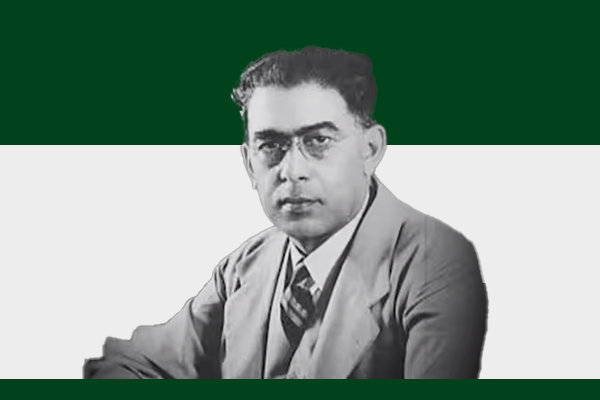


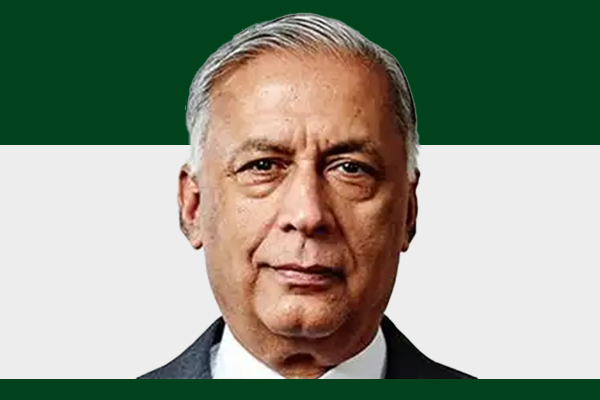


What Is the Role of the Prime Minister of Pakistan?
The Prime Minister of Pakistan is the head of government, leading the executive branch and managing foreign policy, economic planning, national security, and day-to-day governance. The position is elected by the National Assembly and is central to Pakistan’s parliamentary democracy.
Notable Prime Ministers and Their Contributions
Liaquat Ali Khan (1947–1951)
- First Prime Minister of Pakistan
- Introduced the Objectives Resolution (1949)
- Strengthened ties with the U.S. and the Muslim world
Zulfikar Ali Bhutto (1973–1977)
- Architect of Pakistan’s 1973 Constitution
- Nationalized major industries
- Strengthened Pakistan’s nuclear program
Benazir Bhutto (1988–1990, 1993–1996)
- First female Prime Minister of a Muslim-majority country
- Promoted social reforms and women’s rights
Nawaz Sharif (Multiple terms)
- Focused on infrastructure, motorways, and privatization
- Faced multiple legal and political controversies
Imran Khan (2018–2022)
- Launched anti-corruption reforms
- Focused on welfare initiatives like Ehsaas Program
- Increased international diplomacy efforts
Civilian vs. Military Influence
- Pakistan has seen frequent military interventions, including:
- 1958–1971: Ayub Khan and Yahya Khan
- 1977–1988: General Zia-ul-Haq
- 1999–2008: General Pervez Musharraf
Conclusion
The Prime Ministers of Pakistan have played a crucial role in shaping the country’s past, present, and future. From foundational governance and foreign policy to economic development and democratic resilience, each prime minister has left a unique mark. As Pakistan continues to evolve, understanding its political leadership is key to grasping its national journey.
Frequently Asked Questions (FAQs)
Q1: Who was the first Prime Minister of Pakistan?
A1: Liaquat Ali Khan, serving from August 1947 until his assassination in 1951.
Q2: How many prime ministers has Pakistan had?
A2: As of 2025, Pakistan has had 23 prime ministers, including repeat terms.
Q3: Has any female served as Prime Minister?
A3: Yes, Benazir Bhutto served twice and was the first female PM in the Muslim world.
Q4: What is the difference between the President and Prime Minister?
A4: The Prime Minister holds executive power; the President is largely ceremonial.