PRIME MINISTERS OF QATAR
Prime Ministers of Qatar
The Prime Minister of Qatar is the head of government and plays a key role in managing the country’s administration, policies, and development. Qatar is a monarchy ruled by the Emir, and the Prime Minister is appointed by the Emir to assist in governing the nation. Over the years, several influential leaders have served as Prime Minister and contributed to Qatar’s transformation into a modern and prosperous state.
LIST OF PRIME MINISTERS OF QATAR
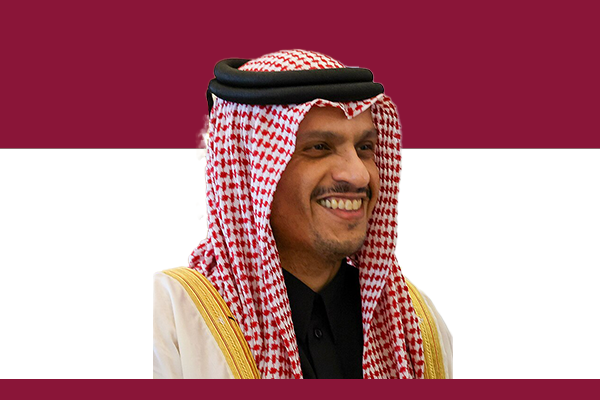
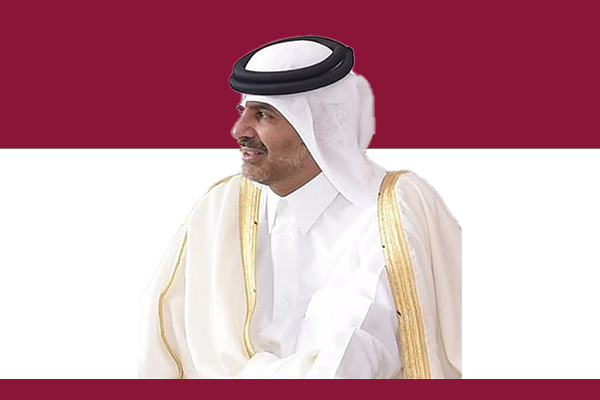
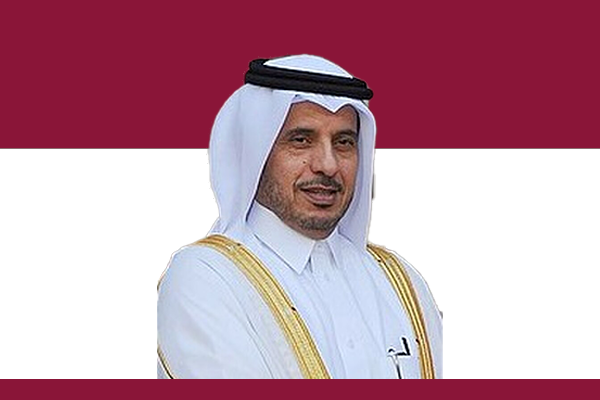
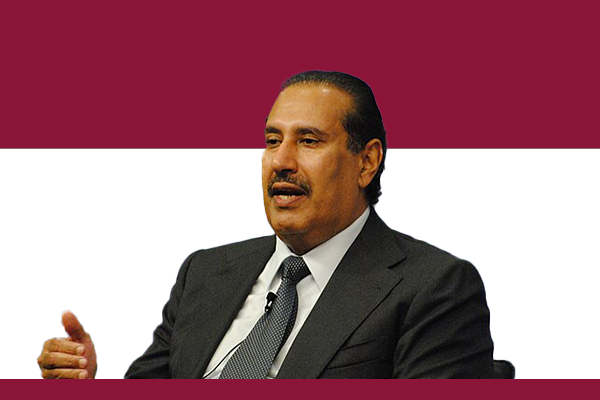


Role and Responsibilities
The Prime Minister of Qatar oversees the functioning of the government, chairs meetings of the Council of Ministers, and helps implement national policies. The Prime Minister works closely with the Emir to ensure political stability, economic growth, and effective governance. The position is very powerful because Qatar’s political system combines traditional leadership with modern administration.
Early Prime Ministers
One of the first and most important Prime Ministers was Khalifa bin Hamad Al Thani, who served in 1970 before becoming Emir in 1972. His leadership helped establish the foundation of modern Qatar. Another significant leader was Hamad bin Jassim bin Jaber Al Thani, who served from 2007 to 2013. He was known for strengthening Qatar’s foreign relations and expanding its global influence.
Recent Prime Ministers
In recent years, Abdullah bin Nasser bin Khalifa Al Thani served as Prime Minister from 2013 to 2020. During his tenure, Qatar focused on infrastructure development, especially in preparation for the FIFA World Cup 2022.
The current Prime Minister is Mohammed bin Abdulrahman bin Jassim Al Thani, who took office in March 2023. He is also an experienced diplomat and previously served as Foreign Minister. His leadership focuses on economic diversification, international cooperation, and national development.
Importance of the Position
The Prime Minister plays a vital role in Qatar’s progress. Under the guidance of its Prime Ministers, Qatar has developed world-class infrastructure, a strong economy, and global diplomatic influence. They help manage the country’s natural gas resources, which are the backbone of Qatar’s wealth.
Conclusion
The Prime Ministers of Qatar have played an essential role in shaping the nation’s success. Working under the leadership of the Emir, they ensure smooth governance and national growth. Their efforts have helped transform Qatar into one of the richest and most influential countries in the world. As Qatar continues to grow, the Prime Minister will remain a key figure in guiding its future development and stability.