VICE PRESIDENTS OF SOUTH KOREA
Vice Presidents of South Korea
South Korea had the office of the Vice President only during the early years of the Republic, from 1948 to 1960. During this period, the vice presidency played a symbolic but politically influential role, especially during times of constitutional change and national instability. Although the position no longer exists today, the individuals who held it shaped the political foundation of the modern Korean state.
LIST OF VICE PRESIDENTS OF SOUTH KOREA
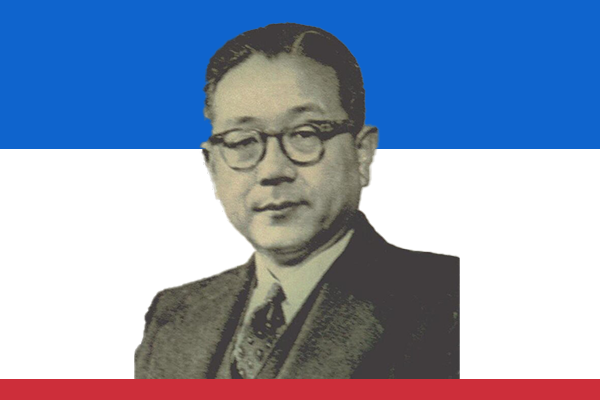

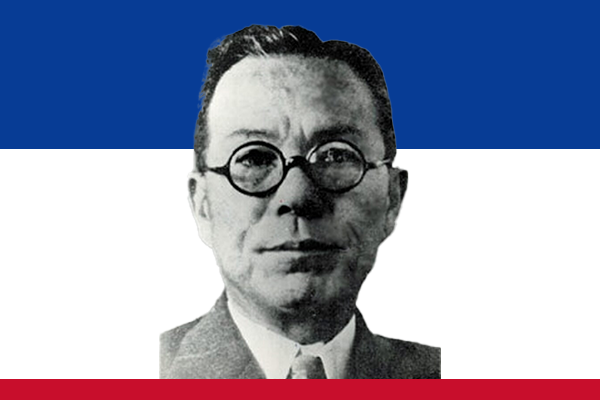

Yi Si-yeong (1948–1952)
Yi Si-yeong became South Korea’s first Vice President after the nation adopted its first constitution in 1948. A respected independence activist and statesman, he worked closely with President Syngman Rhee. He used his position to promote national unity during the challenging post-liberation years, when the country struggled with division, poverty, and political uncertainty. Yi also helped establish administrative structures for the new government. Despite disagreements with the administration’s authoritarian direction, he maintained a reputation for integrity. He resigned in 1951 during the Korean War, believing the nation needed stronger leadership for wartime conditions.
Ham Tae-young (1952–1956)
Ham Tae-young succeeded Yi Si-yeong and played a vital role during the Korean War’s final phase and reconstruction period. A Christian leader and judge, he focused on legal and moral governance. Ham strongly supported constitutional amendments that strengthened presidential powers, largely aligning with Rhee’s political strategies. Though critics claimed the government undermined democratic processes, Ham insisted that strong executive leadership was necessary for national survival. His term helped stabilize government functions during a time of immense social and economic hardship.
Chang Myon (1956–1960)
Chang Myon, one of the most prominent political figures of the era, won the vice presidency in a highly contested election. His victory represented growing democratic sentiment and public resistance to Syngman Rhee’s authoritarian style. Chang supported educational development, economic reforms, and more democratic governance. However, his term was overshadowed by increasing political tension. The disputed 1960 presidential election and the subsequent April Revolution pushed the nation into a new phase. After Rhee resigned, Chang later became Prime Minister under the new parliamentary system, which replaced the strong presidential model.
Abolition of the Vice Presidency
In 1960, South Korea adopted a parliamentary system, eliminating the office of the Vice President. The change reflected public demand for a more balanced government after years of authoritarian rule. Since then, South Korea’s political structure has evolved significantly, replacing the vice presidency with roles such as the Prime Minister and other administrative positions.
Conclusion
The Vice Presidents of South Korea served during a turbulent and formative era. Their leadership helped shape the early structures of the government and addressed the immense challenges of war, reconstruction, and democratization. Although the office no longer exists, their contributions continue to hold historical significance for the Republic of Korea’s political evolution.