KINGS OF SPAIN
Kings of Spain: A Brief Historical Overview
Spain’s monarchy stands among the oldest in Europe, shaped by dynastic unions, imperial expansion, internal conflict, and modern constitutional reform. The kings who ruled Spain influenced not only the Iberian Peninsula but also the global political landscape for centuries. Their reigns reflect shifting power, cultural transformation, and the evolution of Spain into a modern nation-state.
LIST OT KINGS OF SPAIN
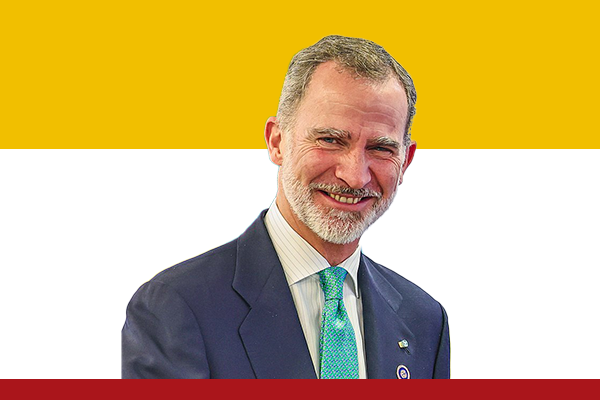
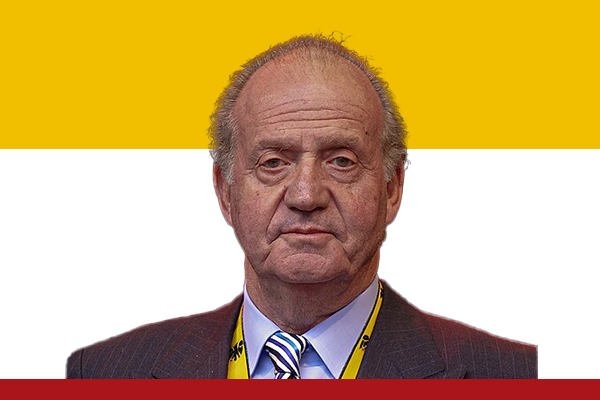
Kings of Spain
The history of Spanish kings began in earnest with the Catholic Monarchs, Ferdinand II of Aragon and Isabella I of Castile. Their marriage in 1469 united the major crowns of the Iberian Peninsula and created a foundation for a centralized Spanish kingdom. They oversaw the completion of the Reconquista in 1492 and supported voyages that opened the door to a vast overseas empire. Although Isabella was queen, Ferdinand’s influence as king played a crucial role in shaping early Spain.
The rise of the Habsburg dynasty under Charles I (also known as Charles V, Holy Roman Emperor) marked Spain’s transformation into a global superpower. Charles I ruled a territory so extensive that people claimed “the sun never set” on his empire. His son, Philip II, expanded Spain’s imperial reach even further, strengthening the monarchy’s power and fostering a golden age of culture. Despite military setbacks such as the defeat of the Spanish Armada, Philip II’s reign left a lasting imprint on Spanish identity.
By the early 18th century, the Bourbon dynasty took the throne after the War of the Spanish Succession, beginning with Philip V. The Bourbons modernized governance, centralized administration, and implemented reforms inspired by the Enlightenment. Kings such as Charles III promoted education, economic development, and scientific progress, earning a reputation as one of Spain’s most effective reformist monarchs.
The 19th century brought upheaval. Napoleon’s invasion forced King Ferdinand VII into exile, sparking resistance and years of turmoil. His return marked a reactionary period that hindered Spain’s modernization. Later, King Alfonso XII restored stability after the brief First Republic, laying the groundwork for a constitutional monarchy.
The 20th century saw profound change. King Alfonso XIII faced political instability that led to the dictatorship of Miguel Primo de Rivera and eventually the abolition of the monarchy in 1931. After the Spanish Civil War and decades of dictatorship under Francisco Franco, the monarchy returned under King Juan Carlos I in 1975. He played a crucial role in leading Spain’s transition to democracy, reshaping the crown’s role in modern governance.
Today, King Felipe VI, who ascended the throne in 2014, represents a modern, constitutional monarchy focused on unity, transparency, and democratic values. His reign continues Spain’s long royal tradition while adapting it to contemporary national needs.