PRIME MINISTERS OF UZBEKISTAN
Prime Ministers of Uzbekistan
The Prime Minister of Uzbekistan is the head of government and plays a central role in managing the country’s economy, administration, and domestic policy. Since Uzbekistan gained independence from the Soviet Union in 1991, the office of prime minister has evolved alongside the nation’s political system. Although the president holds the most powerful position, prime ministers have been key figures in shaping economic reforms and state governance.
LIST OF PRIME MINISTERS OF UZBEKISTAN
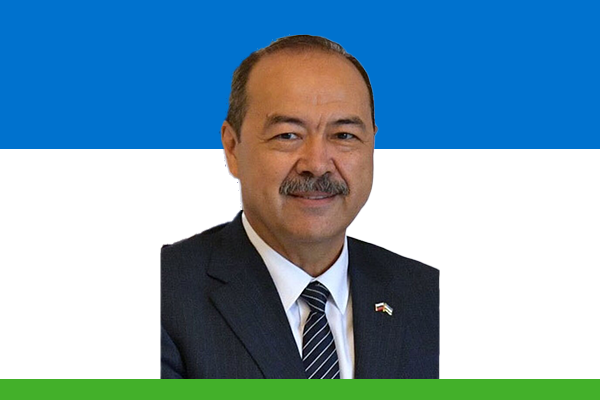
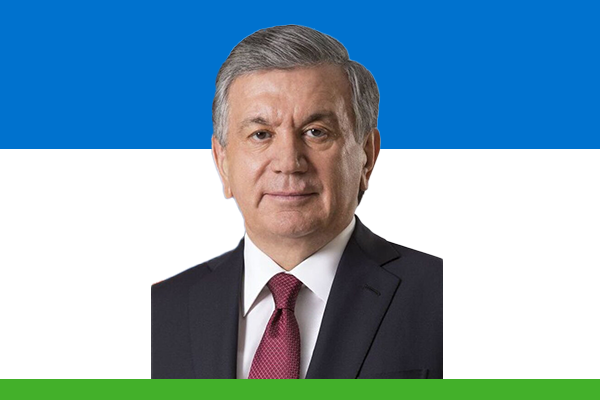

Abdulhashim Mutalov (1992–1995)
Abdulhashim Mutalov was the first Prime Minister of independent Uzbekistan, appointed shortly after the country declared sovereignty. His tenure focused on establishing basic state institutions and transitioning from a centrally planned Soviet economy to a national economic framework. Mutalov worked during a difficult period marked by inflation, production decline, and structural reforms. His leadership laid the groundwork for administrative stability in the early years of independence.
Oʻtkir Sultonov (1995–2003)
Oʻtkir Sultonov served as prime minister during a period of economic consolidation and state control. His government emphasized gradual reforms, state-led development, and social stability. Under Sultonov, Uzbekistan followed a cautious economic model, prioritizing self-sufficiency and protection of domestic industries. His long tenure reflected political continuity and close alignment with presidential policies.
Shavkat Mirziyoyev (2003–2016)
Shavkat Mirziyoyev, who later became president, served as prime minister for more than thirteen years, making him one of the longest-serving leaders in this role. As prime minister, he focused on agriculture, infrastructure development, and regional administration. Mirziyoyev was known for his hands-on management style and frequent engagement with local authorities. His experience as prime minister significantly shaped his later reform-oriented presidency after 2016.
Abdulla Aripov (2016–Present)
Abdulla Aripov was appointed prime minister following Mirziyoyev’s election as president. His tenure has been marked by economic liberalization, digital governance, and modernization efforts. Aripov has overseen reforms aimed at improving the business environment, attracting foreign investment, and upgrading public services. He has also played an important role in implementing large-scale development programs aligned with Uzbekistan’s reform agenda.
Conclusion
The prime ministers of Uzbekistan have each contributed to the country’s post-independence political and economic development. From the challenges of early state-building to modern reform and globalization, the office has remained essential in translating presidential vision into practical governance. Together, these leaders reflect Uzbekistan’s gradual transformation into a more open and reform-oriented state.