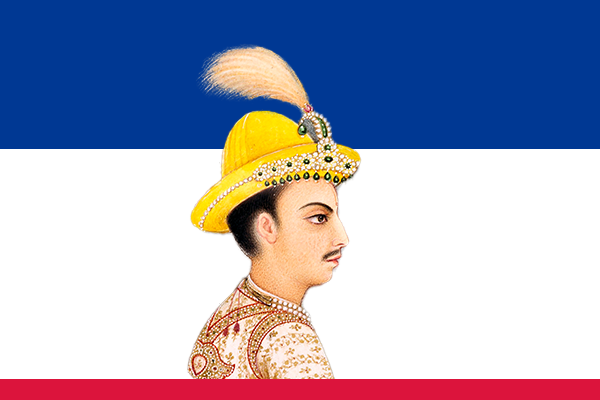
Girvan Yuddha Bikram Shah
Coronation: 8 March 1799
Reign: 8 March 1799 – 20 November 1816
Home State: Kathmandu Durbar Square
Lifespan: 1797–1816
Country: Nepal
Early Life and Ascension
King Girvan Yuddha Bikram Shah was born in 1797 as the son of King Rana Bahadur Shah and Queen Subarna Prabha Devi. As the royal heir, he grew up in the palace surrounded by political intrigue and the responsibilities of succession. In 1799, at the age of just two, he ascended the throne after his father abdicated to become a hermit. Although he was the king, his youth meant that the real power rested in the hands of regents and court officials.
Regency and Political Climate
During Girvan Yuddha Bikram Shah’s reign, the regents, including Queen Rajendra Laxmi and later other court members, handled state affairs. Political tensions ran high, as various noble families vied for influence over the young king. The power struggles shaped the policies of the kingdom and influenced Nepal’s diplomatic relations with neighboring states.
Challenges in the Kingdom
King Girvan Yuddha Bikram Shah’s reign coincided with a period of unrest and territorial disputes. External pressures from the British East India Company tested Nepal’s sovereignty. While the king remained the symbolic head of state, the regents and senior officials dealt with treaties, conflicts, and internal reforms. Despite his limited direct involvement, Girvan represented the continuity of Nepal’s monarchy during uncertain times.
Personal Life
Historical records suggest that King Girvan Yuddha Bikram Shah lived a sheltered life within the palace. The court carefully protected him from political conspiracies and external threats. Even as a young ruler, he maintained the dignity and traditions of the Shah dynasty. His reign reflected the ceremonial role of the monarch while political power remained in the hands of others.
Death and Legacy
In 1816, King Girvan Yuddha Bikram Shah died at the young age of 19, leaving behind a complex legacy. His death marked the end of an era shaped by regency rule, political power plays, and foreign challenges. Despite his limited role in governance, his reign remains significant in Nepalese history as it bridged the gap between the rule of Rana Bahadur Shah and the later reigns of his successors.
King Girvan Yuddha Bikram Shah is remembered as a young monarch whose life reflected both the splendor and the challenges of the Nepalese throne. His story continues to be an important chapter in the history of Nepal’s monarchy.