Rajendra Bikram Shah Dev
Reign: 20 November 1816 – 12 May 1847
Home State: Kathmandu Durbar Square
Lifespan: 1813–1881
County: Nepal
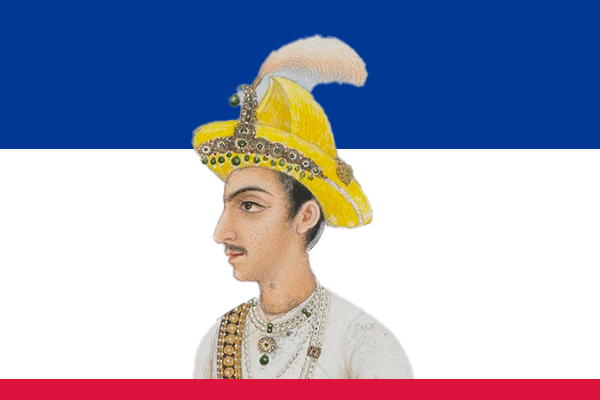
Early Life and Background
King Rajendra Bikram Shah Dev was born in 1813 in the Shah royal family of Nepal. As the son of King Girvan Yuddha Bikram Shah, he grew up surrounded by the traditions and responsibilities of monarchy. The royal court educated him in governance, diplomacy, and military affairs, preparing him to ascend the throne at a young age.
Ascension to the Throne
In 1816, following the death of his father, Rajendra Bikram Shah Dev became the king of Nepal. He assumed the throne during a period of political uncertainty, as the country was recovering from the Anglo-Nepalese War and adjusting to the Sugauli Treaty’s territorial losses. Despite his youth, he took charge of the kingdom and worked to stabilize internal governance.
Reign and Political Challenges
King Rajendra Bikram Shah Dev ruled actively, but his reign witnessed deep political divisions and intense rivalries among the courtiers. He attempted to balance power between influential noble families and maintain control over state affairs.
The king dealt with several prime ministers whose ambitions often led to instability. Court politics became increasingly tense, and his authority faced constant challenges from the military elite and aristocratic factions.
Journey to India and Political Shift
In 1843, King Rajendra Bikram Shah Dev took the unusual step of delegating executive power to his son, Crown Prince Surendra Bikram Shah, while retaining his royal title. He later traveled to India for religious purposes, leaving the political center of Nepal under the control of court officials.
During his absence, Jung Bahadur Rana rose to prominence and solidified his power. The Kot Massacre of 1846 cemented Rana authority, significantly reducing the king’s influence.
Abdication and Later Life
In 1847, Rajendra Bikram Shah Dev faced political pressure and formally abdicated in favor of his son, Surendra Bikram Shah. The Rana regime placed him under house arrest in Bhaktapur, where he spent the remaining years of his life in confinement. He died in 1881, leaving behind a complex legacy of a monarch caught between tradition and the rise of a new political order.
Legacy
King Rajendra Bikram Shah Dev’s reign reflected the turbulence of Nepal’s 19th-century politics. His attempts to navigate power struggles demonstrated both the challenges and limitations of monarchy during an era of transition. His life remains an important chapter in Nepal’s royal history.