Sultan Iskandar
Reign: 26 April 1984 – 25 April 1989
Coronation: 15 November 1984
Home State: Johor Bahru
Lifespan: 1932 – 2010
Country: Malaysia
Image credits available here.
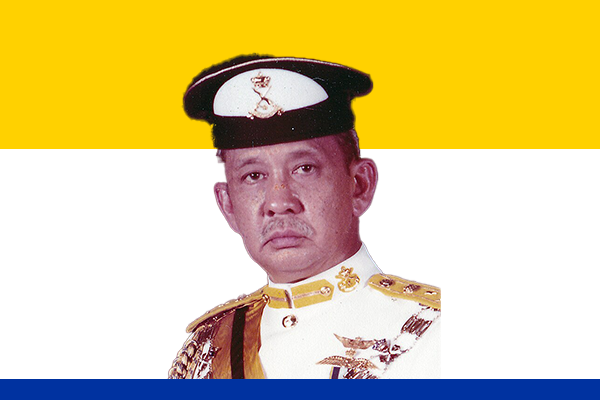
arly Life and Royal Background
Sultan Iskandar was born on 24 April 1932 as Tunku Mahmood Iskandar ibni Sultan Ismail in Johor Bahru. He belonged to the royal family of Johor, one of the oldest and most influential Malay sultanates in Malaysia. From an early age, he received a blend of traditional royal education and modern schooling, which shaped his confident and assertive personality. His upbringing prepared him for leadership, discipline, and responsibility as a future ruler.
Ascension to the Throne of Johor
Sultan Iskandar ascended the throne of Johor in 1981 following the death of his father, Sultan Ismail. As the Sultan of Johor, he adopted a firm style of governance and showed a strong interest in state affairs. He emphasized discipline, loyalty, and respect for royal authority. His reign reflected a traditional view of monarchy, where the ruler played an active and visible role in guiding the state.
Role as Yang di-Pertuan Agong
In 1984, Sultan Iskandar was elected as the eighth Yang di-Pertuan Agong of Malaysia, serving until 1989. As the constitutional monarch of the country, he represented national unity and upheld Malaysia’s traditions and values. During his tenure, he carried out ceremonial duties, met foreign dignitaries, and supported national institutions. His time as King was marked by his strong personality and willingness to express his views openly, which made him one of the most talked-about monarchs in Malaysia’s history.
Leadership Style and Public Image
Sultan Iskandar was widely known for his bold, outspoken, and sometimes controversial character. Unlike many rulers who preferred a reserved approach, he often took direct positions on issues related to governance, discipline, and public conduct. Supporters admired his firmness and belief in maintaining order, while critics viewed his style as too assertive for a constitutional monarchy. Regardless of opinion, his presence commanded attention and respect across the nation.
Controversies and Constitutional Changes
Sultan Iskandar’s reign coincided with an important period in Malaysia’s constitutional history. Debates arose concerning the role and legal immunity of royalty, leading to significant constitutional amendments in the 1990s. These changes redefined the balance between royal authority and democratic governance. Sultan Iskandar remained a central figure in these discussions, symbolizing a transition in the modern role of monarchy within Malaysia’s political system.
Family and Personal Life
Sultan Iskandar married Raja Permaisuri Agong Zanariah binti Almarhum Tengku Ahmad. Together, they had several children, including Sultan Ibrahim Ismail, who later succeeded him as the Sultan of Johor. As a family man, Sultan Iskandar valued royal traditions and ensured that his successors were prepared to carry forward the legacy of Johor’s monarchy.
Death and Legacy
Sultan Iskandar passed away on 22 January 2010. His death marked the end of an era defined by strong royal presence and influential leadership. Today, he is remembered as a monarch who left a deep impact on Johor and Malaysia. His reign highlighted the evolving role of kingship in a modern constitutional framework.
Conclusion
King Sultan Iskandar remains a significant figure in Malaysian history. His assertive leadership, notable reign as Yang di-Pertuan Agong, and role during constitutional transformation make him one of the most influential monarchs of his time. His legacy continues to shape discussions on monarchy, authority, and governance in Malaysia.