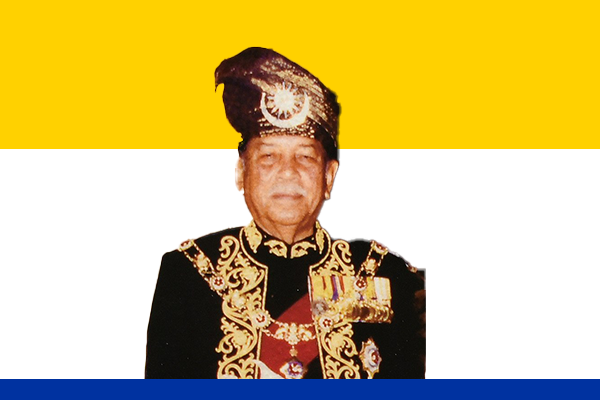
Early Life and Education
Tuanku Ja’afar was born on 19 July 1922 into the royal family of Negeri Sembilan. From an early age, he received a strong foundation in discipline, leadership, and public service. His upbringing emphasized responsibility toward society and respect for tradition.
He pursued his education both locally and abroad, gaining exposure to international perspectives. His academic journey helped shape his analytical thinking and broadened his understanding of governance, diplomacy, and administration.
Military Career
Before ascending the throne, Tuanku Ja’afar built a notable career in the military. He joined the British Indian Army and later became part of the Malayan Armed Forces. His service during challenging times earned him respect as a disciplined and capable officer.
This military background strongly influenced his leadership style. He valued order, punctuality, and professionalism, qualities that later defined his approach as a ruler. His experience also gave him deep insight into national security and the importance of unity in a diverse nation.
Role as Ruler of Negeri Sembilan
In 1967, Tuanku Ja’afar became the Yang di-Pertuan Besar of Negeri Sembilan. He ruled the state with fairness and dedication, respecting the unique Adat Perpatih customary system practiced in the region.
As ruler, he focused on balanced development, education, and social harmony. He encouraged cooperation between traditional institutions and modern governance, ensuring that cultural heritage remained relevant in a changing world.
Reign as Yang di-Pertuan Agong
Tuanku Ja’afar was elected as the tenth Yang di-Pertuan Agong of Malaysia, serving from 1994 to 1999. His reign was marked by dignity, neutrality, and respect for the Constitution.
He carried out his constitutional duties with restraint and wisdom, acting as a symbol of unity above politics. During his tenure, Malaysia experienced economic and social challenges, and his calm presence provided reassurance to the nation. He emphasized harmony among Malaysia’s multiethnic and multireligious society.
Personal Values and Character
Known for his humility and discipline, Tuanku Ja’afar led a life guided by strong moral principles. He believed in service over privilege and often reminded leaders of their responsibility toward the people.
Despite his royal status, he maintained a simple lifestyle and valued honesty, loyalty, and hard work. These traits earned him deep respect from both officials and ordinary citizens.
Legacy and Death
Tuanku Ja’afar passed away on 27 December 2008. His death marked the end of an era defined by principled leadership and quiet strength.
He is remembered as a monarch who upheld the dignity of the throne, respected democratic institutions, and served his nation with honor. His legacy continues to inspire respect for constitutional monarchy, disciplined leadership, and national unity in Malaysia.
Conclusion
King Tuanku Ja’afar remains an enduring symbol of integrity and service. Through his military discipline, constitutional wisdom, and dedication to unity, he left a lasting imprint on Malaysia’s history. His life stands as a reminder that true leadership is rooted in responsibility, humility, and unwavering commitment to the people.