Presidents of Palestine
The State of Palestine has had a complex political history shaped by regional conflicts, international diplomacy, and the ongoing Israeli–Palestinian issue. The presidency represents the highest political office within the Palestinian political system and plays a crucial role in governance, diplomacy, and national representation. The position is connected mainly with the Palestinian Authority (PA), which was created after the 1993 Oslo Accords between Israel and the Palestine Liberation Organization (PLO).
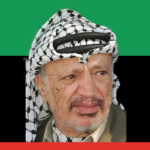
1. Yasser Arafat (1994–2004)
Yasser Arafat is widely regarded as the founding leader of modern Palestinian nationalism. He became the first President of the Palestinian Authority in 1994 following the implementation of the Oslo Accords. Before becoming president, Arafat served for decades as chairman of the Palestine Liberation Organization.
During his presidency, Arafat worked toward establishing Palestinian self-rule in parts of the West Bank and Gaza Strip. His leadership was marked by both diplomatic efforts and intense conflict, especially during the Second Intifada. Arafat remained president until his death in 2004 and is still considered a central symbol of the Palestinian national struggle.
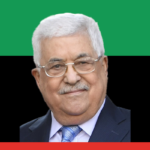
2. Mahmoud Abbas (2005–Present)
After Arafat’s death, Mahmoud Abbas was elected President of the Palestinian Authority in 2005. Abbas is also a long-time member of the Palestine Liberation Organization and one of the architects of the Oslo Accords.
As president, Abbas has focused mainly on diplomatic and political strategies aimed at achieving Palestinian statehood through international recognition and negotiations with Israel. Under his leadership, Palestine gained non-member observer state status at the United Nations in 2012.
Abbas has also faced significant challenges, including political divisions between Palestinian factions, especially between his political movement Fatah and the rival group Hamas. Despite these difficulties, he continues to serve as President of the State of Palestine and remains an important figure in Middle Eastern diplomacy.
Conclusion
The presidency of Palestine has been held by only two main leaders since the establishment of the Palestinian Authority in 1994. Yasser Arafat laid the foundations of Palestinian self-governance, while Mahmoud Abbas has focused on international diplomacy and political negotiations. Together, their leadership reflects the evolving political journey of Palestine as it continues to seek full statehood and stability in a complex regional environment.